Exploring the world of sweet wine louisiana reveals a category defined by ingenuity rather than imitation. The state’s humid subtropical climate and heavy clay soils create a terroir where classic European vinifera varieties struggle with Pierce’s disease and fungal pressure, pushing vintners toward native muscadine grapes and cold-hardy hybrids. This agricultural reality has forged a portfolio of dessert and late-harvest styles that exist nowhere else in North America, ranging from deep purple muscadine nectars to aromatic blanc du bois ice wines. Understanding these bottles requires looking past the label to the vineyard decisions and cellar techniques that turn environmental constraints into concentrated sugar and flavor.
The Muscadine Foundation of Southern Sweetness
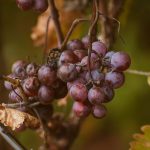
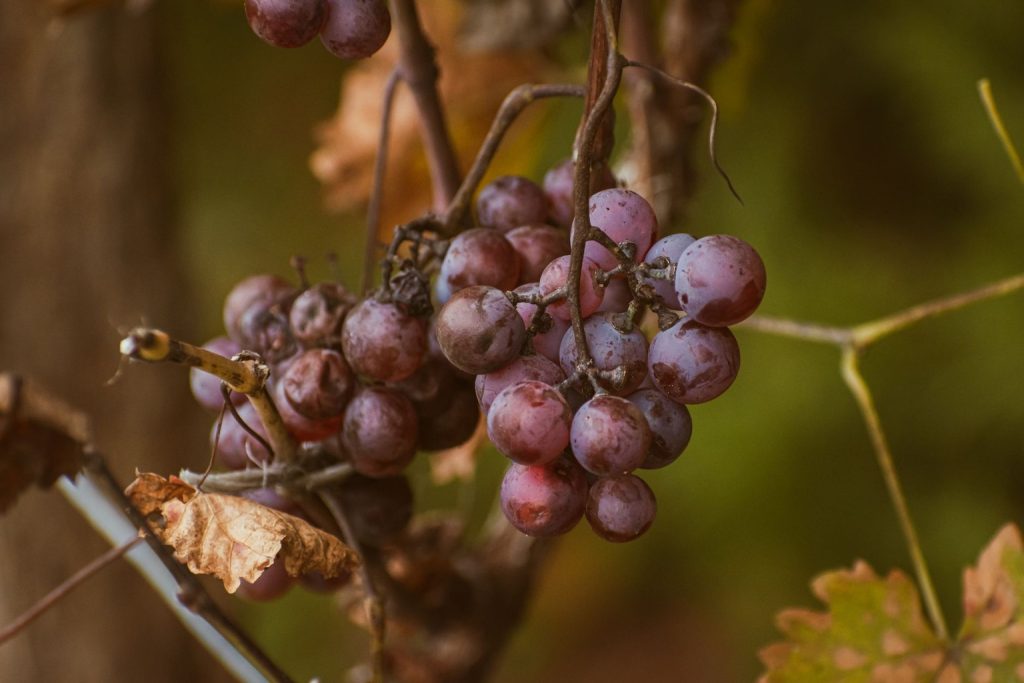
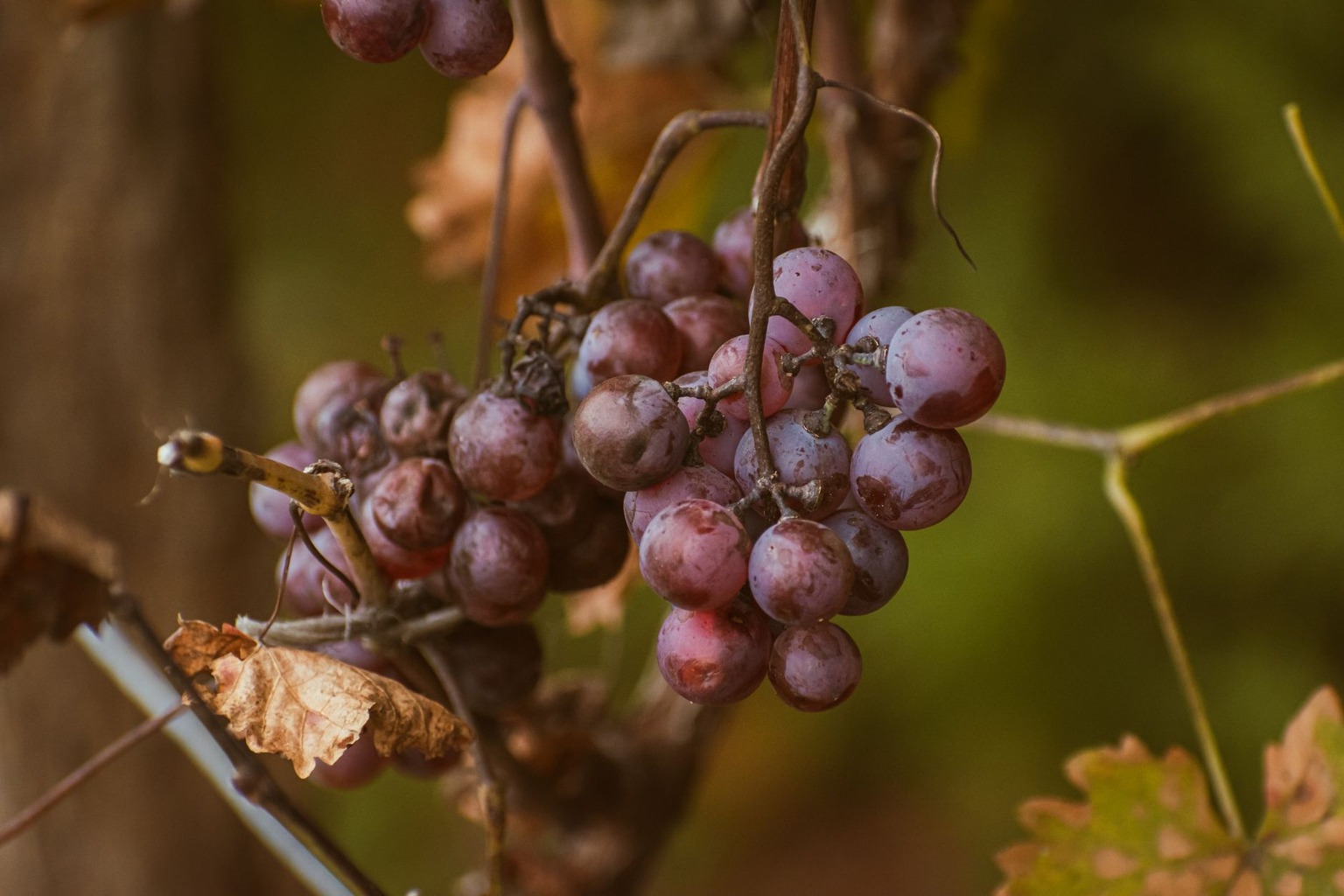
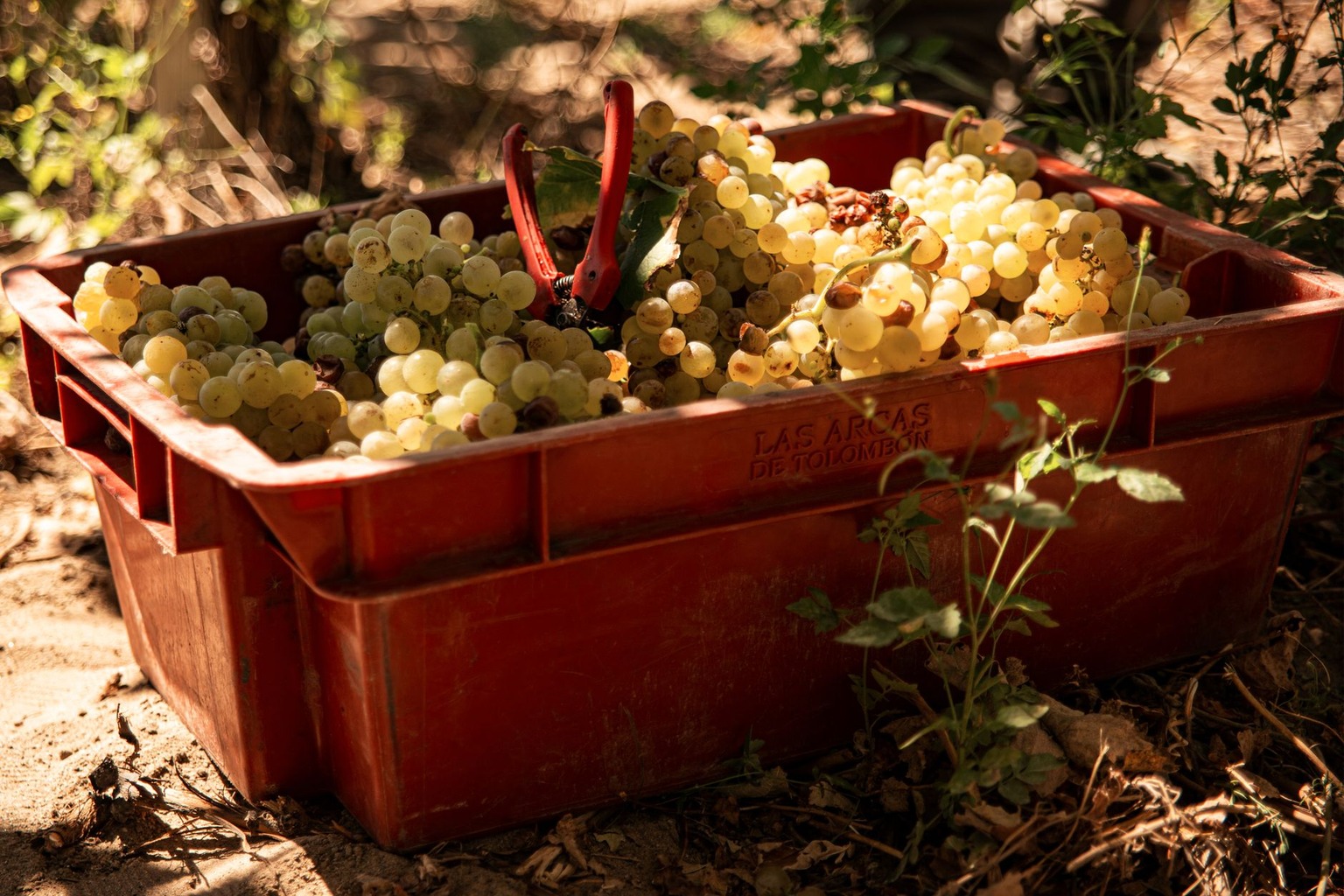
Muscadine grapes (Vitis rotundifolia) form the backbone of the region’s sugary portfolio because they possess a thick skin and natural resistance to the Pierce’s disease bacterium that devastates vinifera vines in the Gulf South. A single vine can yield twenty to thirty pounds of fruit at twenty-two to twenty-four Brix without any noble rot intervention, giving winemakers a reliable high-sugar starting point every vintage. Most producers ferment the juice to dryness around fourteen percent alcohol, then arrest fermentation early or back-sweeten with reserved juice to finish between eight and twelve percent residual sugar. The resulting liquid delivers intense notes of ripe banana, bruised apple, and musky floral perfume that immediately identifies the variety. Because the skins contain high levels of ellagic acid and tannin, extended maceration is avoided; instead, a brief cold soak extracts color and aroma without the astringency that would clash with the sweetness.
Blending trials at several estates have shown that co-fermenting muscadine with a small percentage of white hybrid varieties such as blanc du bois or stoerner can lift the aromatic top notes while preserving the characteristic musky core. Winemakers typically target a final pH near 3.4 and titratable acidity around 0.65 percent to prevent the wine from tasting flabby on the palate. Sterile filtration at 0.45 microns is standard before bottling to eliminate any risk of refermentation in the warm warehouse conditions common across the state. The best examples age gracefully for five to seven years, developing dried fig and honey nuances while retaining their vibrant purple hue.
Hybrid White Varieties Crafting Aromatic Dessert Styles
Blanc du bois has emerged as the leading white hybrid for sweet wine louisiana production because its parentage includes muscadine genetics for disease resistance crossed with vinifera for aromatic finesse. The grape naturally accumulates twenty to twenty-three Brix in a normal harvest, but growers targeting dessert styles will leave clusters on the vine into late October, pushing sugar levels to twenty-eight or thirty Brix while acidity drops slowly in the autumn heat. This extended hang-time concentrates tropical pineapple, guava, and honeysuckle aromatics that survive fermentation better than the delicate floral notes of many vinifera varieties. Cellar teams often employ a cryoextraction method, freezing whole clusters overnight at negative twenty Celsius before pressing, which mimics traditional ice wine concentration without relying on unpredictable natural freezes.
Stoerner and daytona white, two newer releases from university breeding programs, are entering trial plantings specifically for their ability to retain acidity at high sugar levels. Early micro-vinifications suggest stoerner can reach thirty-two Brix with a titratable acidity still above 0.7 percent, a rare balance in the Deep South. Fermentation is conducted in stainless steel at fifty-five degrees Fahrenheit using high-glycerol yeast strains such as Lalvin QA23 to enhance mouthfeel without adding oak influence. Residual sugar targets hover between ten and fourteen percent, balanced by a finishing pH of 3.35 to 3.45. These wines drink young but show surprising development after three years in bottle, evolving toward marmalade and candied ginger complexity.
Managing Fermentation Arrest in a Warm Climate
Stopping an active fermentation reliably is one of the most technically demanding steps in the cellar because ambient temperatures in the production area often exceed eighty degrees Fahrenheit well into November. Most operations combine three tactics: chilling the tank to twenty-eight degrees Fahrenheit for forty-eight hours to precipitate yeast, adding sulfur dioxide to fifty parts per million free SO2 to inhibit survivors, and sterile filtering immediately after. Timing is critical; the winemaker must hit the target gravity within a 0.5 Brix window, or the wine will either finish too dry or retain unstable sugar that risks refermentation. Portable glycol-jacketed fermenters have become standard equipment, allowing precise temperature control without a centralized chiller plant.
On the LSU AgCenter channel, they cover the primary fermentation of muscadine wine, and you can watch it right here.
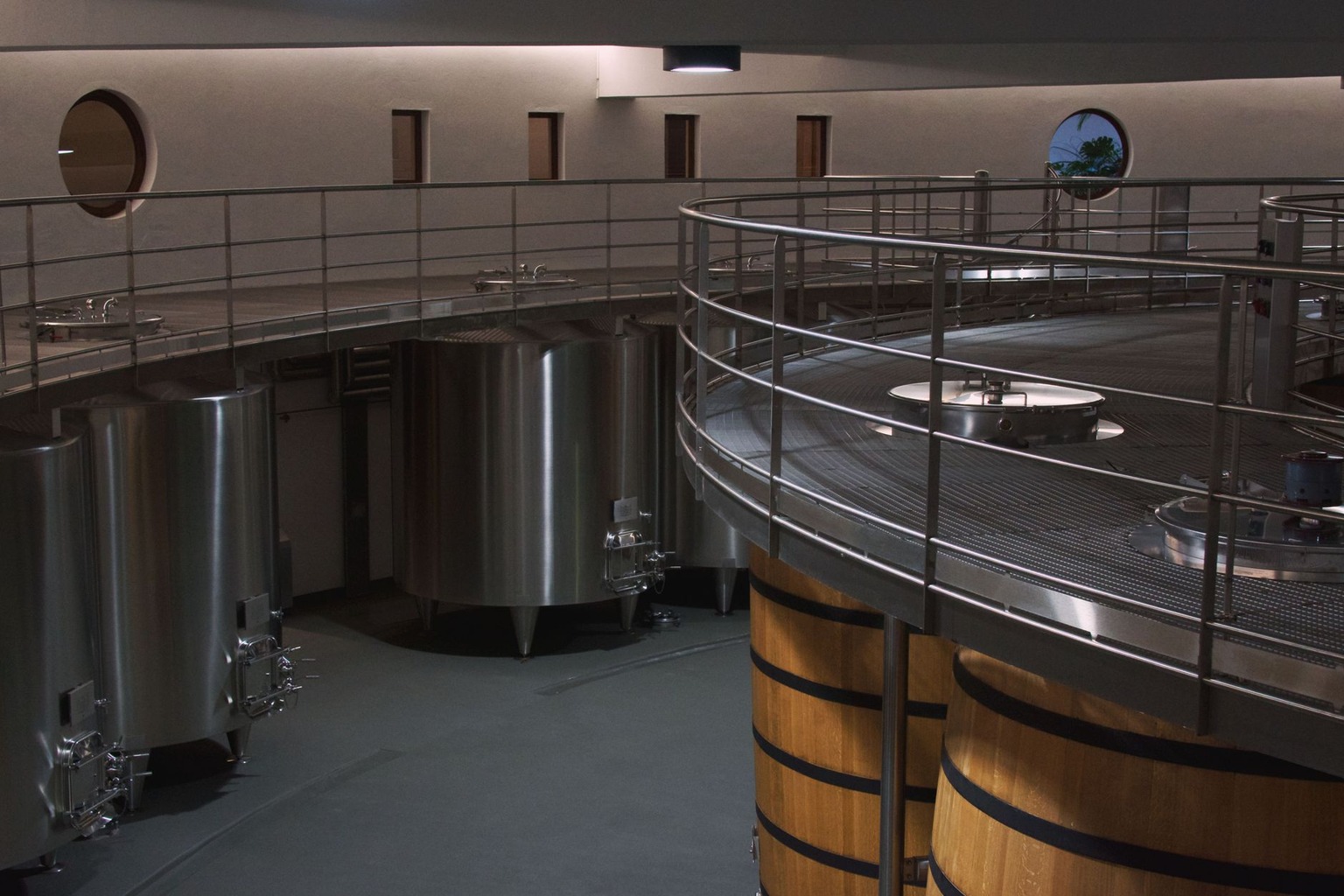
An alternative approach gaining traction is the use of high-pressure carbon dioxide sparging to strip dissolved oxygen and create a hostile environment for yeast while simultaneously lowering temperature through adiabatic expansion. Trials at one northshore facility showed this method reduced the chilling phase from forty-eight hours to six, cutting energy costs and limiting volatile acidity development. Regardless of method, every sweet lot undergoes a mandatory thirty-day hold at forty degrees Fahrenheit post-filtration before bottling to confirm microbiological stability. Bottles receive a final dose of twenty-five parts per million free SO2 and are sealed with technical corks rated for two-year oxygen ingress limits, ensuring the sugar stays put.
Balancing Acidity Against Intense Heat Accumulation
The Gulf Coast growing season accumulates growing degree days at a rate that would ripen cabernet sauvignon in August, yet dessert wines require bright acidity to avoid cloying heaviness. Vineyard managers combat this by selecting sites with sandy loam over clay hardpan, which restricts vine vigor and promotes earlier acid retention. Canopy management is aggressive: shoot positioning creates a vertical shoot positioned wall that shades clusters during the hottest afternoon hours, slowing malic acid respiration. Leaf removal is limited to the morning side only, preserving a protective layer against sunburn that can degrade tartaric acid.
In the winery, acid adjustments are made with tartaric acid rather than malic or citric because tartaric resists bacterial degradation during the long, warm aging period before release. Typical additions range from one to two grams per liter, calculated from bench trials that simulate six months at sixty-eight degrees Fahrenheit. Potassium bicarbonate deacidification is rarely needed but kept as a tool for lots where excessive potassium uptake from clay soils drives pH above 3.6. The target profile for a finished muscadine dessert wine is 0.60 to 0.70 percent titratable acidity at pH 3.35 to 3.45, while blanc du bois ice styles aim for 0.75 to 0.85 percent at pH 3.30 to 3.40. These narrow windows ensure the sweetness reads as luscious rather than syrupy.
Oak Alternatives and Oxidative Aging Nuances
New American oak barrels are seldom used for these styles because the vanilla and coconut lactones clash with the fruit-forward aromatic signature of native and hybrid grapes. Instead, vintners employ French oak staves or spirals inserted into stainless tanks for sixty to ninety days, delivering subtle spice and structural tannin without overwhelming the palate. Toast levels are kept light to medium, and contact time is monitored by weekly tasting to catch the moment when tannin integration peaks before oak flavor dominates. Some producers experiment with acacia and cherry wood alternatives, which contribute floral and almond notes that complement blanc du bois particularly well.
A distinct oxidative tradition borrowed from Madeira production appears in a handful of flagship cuvées. After fermentation arrest, the wine is transferred to partially filled neutral barrels and stored in an uncooled warehouse where summer temperatures swing thirty degrees daily. Over eighteen months, controlled oxidation develops rancio characteristics, walnut, caramel, dried orange peel, while concentrating the wine through evaporation. The headspace is topped annually with a reserved portion of the same vintage to maintain consistency. These oxidative bottlings represent less than five percent of total sweet production but command the highest price points and longest cellar potential, often drinking well at fifteen years post-release.
Regulatory Labeling and Alcohol Tax Class Navigation
Federal classification draws a hard line at fourteen percent alcohol by volume; wines above that threshold face higher excise taxes and stricter labeling requirements as “dessert wine” rather than “table wine.” Louisiana vintners deliberately target thirteen and a half percent or lower to remain in the lower tax bracket, which saves roughly one dollar per gallon on a product that already carries thin margins due to small batch sizes. Achieving this ceiling while retaining ten percent residual sugar requires careful yeast selection and nutrient management to stall fermentation predictably. Strains with low alcohol tolerance, such as Lalvin 71B or Fermivin SM102, are preferred over high-tolerance champagne yeasts that would blow past the limit.
State law adds another layer: any wine sold directly to consumers through the winery tasting room must be produced entirely from fruit grown within Louisiana parish boundaries. This “estate-only” rule for direct shipping forces producers to source all grapes locally, reinforcing the unique terroir expression but limiting volume scalability. Labels must display the parish of origin prominently, and the term “ice wine” is restricted to wines made from naturally frozen grapes on the vine, a condition virtually impossible in the state climate. Consequently, cryoextraction wines are labeled “cryo-concentrated” or “late harvest” to avoid regulatory challenges. Compliance audits occur annually, and violations can result in permit suspension, so legal review of every label revision is standard operating procedure.
Serving Temperature and Glassware for Maximum Expression
Serving these wines too cold masks the aromatic complexity that defines the category, while serving them warm amplifies alcohol perception and makes the sweetness feel heavy. The optimal pour temperature is fifty degrees Fahrenheit for muscadine-based styles and forty-eight degrees for blanc du bois cryo-concentrated versions. A standard white wine glass with a slightly tapered rim concentrates the volatile esters without trapping excessive ethanol vapor. Pour two ounces, swirl gently, and allow the wine to warm in hand for three minutes; the aromatic profile will shift from primary fruit to secondary honey and spice notes as the temperature rises.
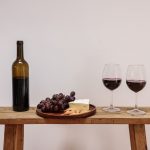
Food pairing follows the classic principle of matching weight and sweetness level. Muscadine dessert wines at ten percent residual sugar pair beautifully with blue cheese, pecan pralines, or dark chocolate above seventy percent cacao, where the tannins in the chocolate bridge the wine’s tannic structure. Blanc du bois late harvest at twelve percent residual sugar handles foie gras, spicy Cajun boudin, or mango sticky rice, the acidity cutting through fat and heat alike. For the oxidative reserve bottlings, serve at fifty-five degrees in a small snifter alongside roasted nuts, aged gouda, or a cigar, the rancio character thrives in that savory context. Glassware choice matters: a narrow aperitif glass for the oxidative styles preserves the delicate nutty bouquet that a wide bowl would dissipate.

Winemaker with 12 years in the cellar. I write about fermentation, terroir, and the honest mistakes that taught me more than any textbook. I’ve ruined more barrels than most people have tasted. That’s not a disclaimer — that’s a résumé. Twelve years making wine in France, now making sense of it in words.