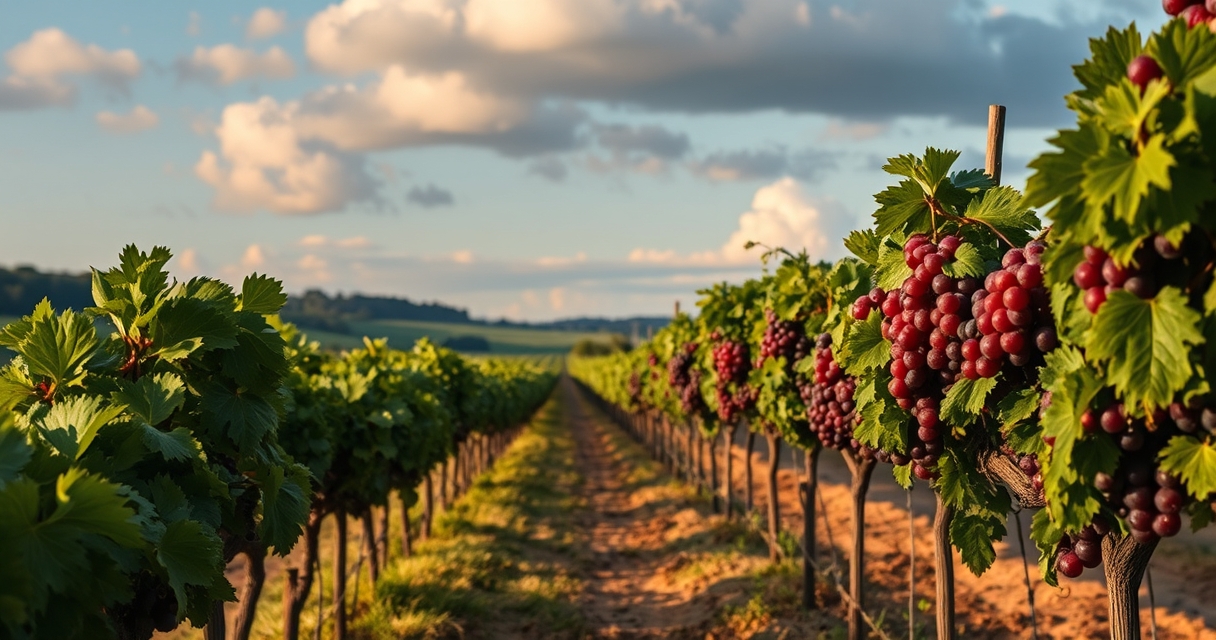
The Unique Charm of Louisiana Wine Regions: A Hidden Gem in Southern Viticulture
When most wine enthusiasts think of American viticulture, Louisiana rarely comes to mind. Yet, this Southern state is quietly carving out its own niche in the world of wine, offering a distinctive blend of tradition, innovation, and Southern hospitality. Louisiana’s wine regions may be small, but they are rich in character, producing wines that reflect the state’s unique terroir and climate. From the humid subtropical landscapes along the Mississippi River to the rolling hills of the northern parishes, Louisiana’s wineries are proving that great wine can thrive even in challenging conditions. For those willing to explore beyond the well-trodden paths of Napa or Bordeaux, Louisiana’s wine regions present a delightful and unexpected adventure.
Why Louisiana’s Climate Poses Both Challenges and Opportunities for Winemakers
Louisiana’s climate is one of the most defining—and challenging—aspects of its wine industry. The state’s humid subtropical climate, characterized by long, hot summers and mild winters, creates an environment where traditional European grape varieties struggle to survive. High humidity and frequent rainfall increase the risk of grapevine diseases like Pierce’s disease and powdery mildew, which can devastate vineyards if not managed carefully. These conditions have historically limited the state’s ability to cultivate classic wine grapes like Cabernet Sauvignon or Chardonnay.
However, Louisiana’s winemakers have turned these challenges into opportunities by focusing on grape varieties that are naturally resilient to the state’s climate. Hybrid grapes like Blanc du Bois and Norton, as well as native American varieties such as Muscadine, have become the backbone of Louisiana’s wine industry. These grapes not only survive but thrive in the heat and humidity, producing wines with bold, fruity flavors that are uniquely Southern. The state’s winemakers have also experimented with innovative techniques, such as canopy management and organic pest control, to mitigate the risks posed by the climate. The result is a growing portfolio of wines that are as distinctive as the state itself.
The Mississippi Delta AVA: Louisiana’s Premier Wine-Growing Region
The Mississippi Delta American Viticultural Area (AVA) is Louisiana’s only federally recognized wine region, and it plays a central role in the state’s viticultural identity. Stretching along the Mississippi River, this AVA encompasses parts of Louisiana, Mississippi, and Arkansas, but Louisiana’s portion is particularly notable for its fertile soils and historic connection to agriculture. The region’s alluvial soils, deposited by centuries of river flooding, are rich in nutrients and well-suited to grape cultivation, despite the challenges posed by the climate.
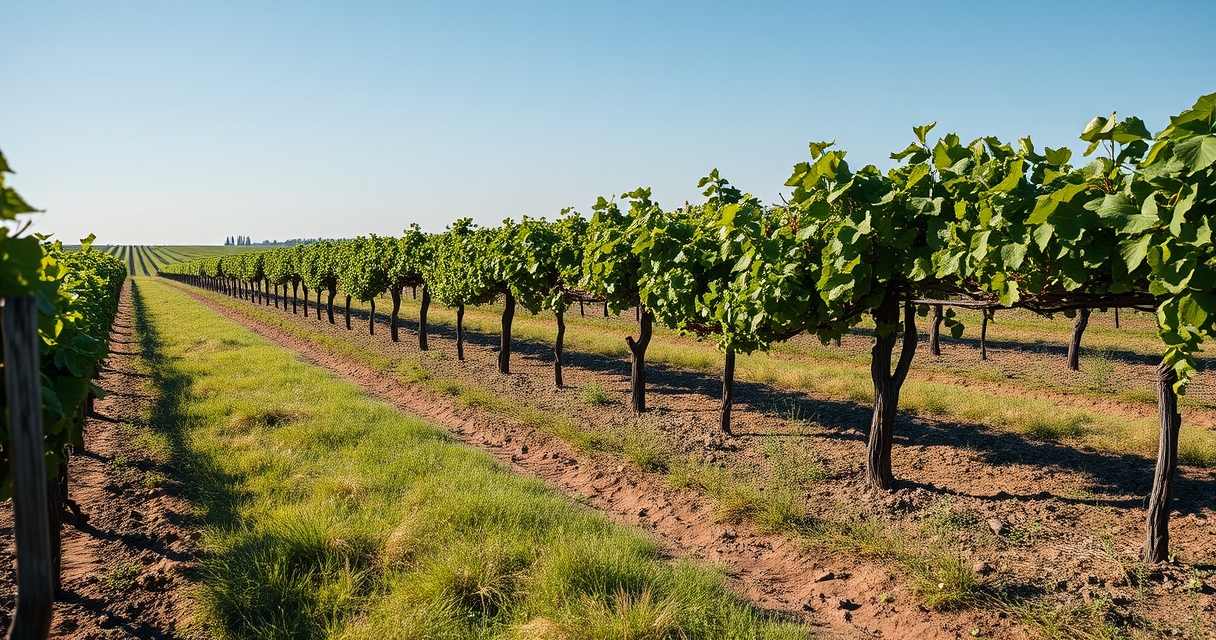
Within Louisiana, the Mississippi Delta AVA is home to some of the state’s most prominent wineries, including Pontchartrain Vineyards and Landry Vineyards. These wineries have become pioneers in the state’s wine industry, demonstrating that high-quality wines can be produced in the Deep South. Pontchartrain Vineyards, for example, specializes in Blanc du Bois, a hybrid grape that produces crisp, aromatic white wines with notes of citrus and tropical fruit. Landry Vineyards, on the other hand, offers a diverse selection of wines, including fruit wines made from local ingredients like blackberries and peaches, which reflect the region’s agricultural bounty. The Mississippi Delta AVA is not just a wine region; it’s a testament to the resilience and creativity of Louisiana’s winemakers.
Meet Louisiana’s Leading Wineries: Where Tradition Meets Innovation
Louisiana may have only a handful of wineries, but each one offers a unique glimpse into the state’s viticultural potential. These wineries are not just places to taste wine; they are cultural hubs where visitors can experience the warmth and hospitality that Louisiana is famous for. Here are some of the state’s most notable wineries, each contributing to the growth and reputation of Louisiana’s wine regions.
Pontchartrain Vineyards, located in the heart of the Mississippi Delta AVA, is one of Louisiana’s oldest and most respected wineries. Founded in the 1990s, Pontchartrain Vineyards has become synonymous with high-quality Blanc du Bois wines, which are celebrated for their bright acidity and tropical fruit flavors. The winery also produces a range of other wines, including a popular Muscadine red, which showcases the rich, jammy characteristics of this native grape. Visitors to Pontchartrain Vineyards can enjoy tastings in a relaxed, rustic setting, often accompanied by live music and local cuisine. The winery’s commitment to sustainability and innovation has made it a leader in Louisiana’s wine industry.
Landry Vineyards, another key player in the Mississippi Delta AVA, offers a diverse selection of wines that reflect the region’s agricultural diversity. In addition to traditional grape wines, Landry Vineyards produces fruit wines made from local ingredients like blackberries, peaches, and blueberries, which are a hit with visitors. The winery’s tasting room is a popular destination for wine enthusiasts and casual visitors alike, offering a cozy atmosphere where guests can sample wines while learning about the winemaking process. Landry Vineyards also hosts events throughout the year, including harvest festivals and live music performances, making it a vibrant part of Louisiana’s wine culture.
Rockside Winery and Vineyards, located in Lancaster, is a family-owned winery that has gained a loyal following for its approachable and flavorful wines. The winery specializes in Norton, a hybrid grape that produces rich, full-bodied red wines with notes of dark fruit and spice. Rockside also offers a selection of fruit wines, including a popular peach wine that captures the essence of Louisiana’s orchards. The winery’s cozy tasting room and welcoming atmosphere make it a favorite among locals and tourists alike. Visitors can also tour the vineyards, where they can see firsthand how the grapes are cultivated and harvested in Louisiana’s unique climate.
Grape Varieties That Thrive in Louisiana’s Terroir
Louisiana’s wine industry is built on grape varieties that are specifically adapted to the state’s challenging climate. Unlike traditional wine regions, where classic European grapes like Cabernet Sauvignon and Pinot Noir dominate, Louisiana’s winemakers rely on a mix of hybrid and native American grapes that can withstand the heat, humidity, and disease pressures of the Deep South. These grapes not only survive but produce wines with bold, distinctive flavors that are uniquely Louisiana.
Blanc du Bois is perhaps the most important grape variety in Louisiana’s wine industry. This hybrid grape, developed in Florida, is prized for its ability to thrive in hot, humid climates while producing crisp, aromatic white wines. Blanc du Bois wines are known for their bright acidity and flavors of citrus, pineapple, and tropical fruit, making them a refreshing choice for Louisiana’s warm climate. The grape is also resistant to Pierce’s disease, a major advantage in the state’s vineyards. Many of Louisiana’s top wineries, including Pontchartrain Vineyards, specialize in Blanc du Bois, and it has become a signature wine of the state.
Muscadine is another key grape variety in Louisiana, and it is one of the few native American grapes that produces high-quality wine. Muscadine grapes are thick-skinned and resistant to disease, making them well-suited to Louisiana’s climate. The wines produced from Muscadine grapes are rich and fruity, with flavors of dark berries, plum, and spice. Muscadine wines can be made in both red and white styles, and they are often enjoyed as dessert wines or paired with hearty Southern dishes. Landry Vineyards and other Louisiana wineries have embraced Muscadine as a way to showcase the state’s unique terroir.
Norton, also known as Cynthiana, is a hybrid grape that produces robust, full-bodied red wines. Norton wines are known for their deep color, rich tannins, and flavors of black cherry, blackberry, and spice. The grape is highly resistant to disease and thrives in Louisiana’s climate, making it a popular choice for winemakers looking to produce red wines that can stand up to the state’s heat. Rockside Winery and Vineyards is one of the leading producers of Norton wine in Louisiana, and their offerings have gained a loyal following among red wine enthusiasts.
Wine Tourism in Louisiana: A Growing Destination for Enthusiasts
While Louisiana may not yet be a household name in the world of wine tourism, the state’s wineries are quickly becoming a must-visit destination for those seeking a unique and off-the-beaten-path experience. Wine tourism in Louisiana is still in its early stages, but it is marked by a sense of warmth, hospitality, and authenticity that is quintessentially Southern. Visitors to Louisiana’s wineries can expect a relaxed, informal atmosphere where they can sample wines, tour vineyards, and learn about the state’s viticultural history—all while enjoying the charm of rural Louisiana.
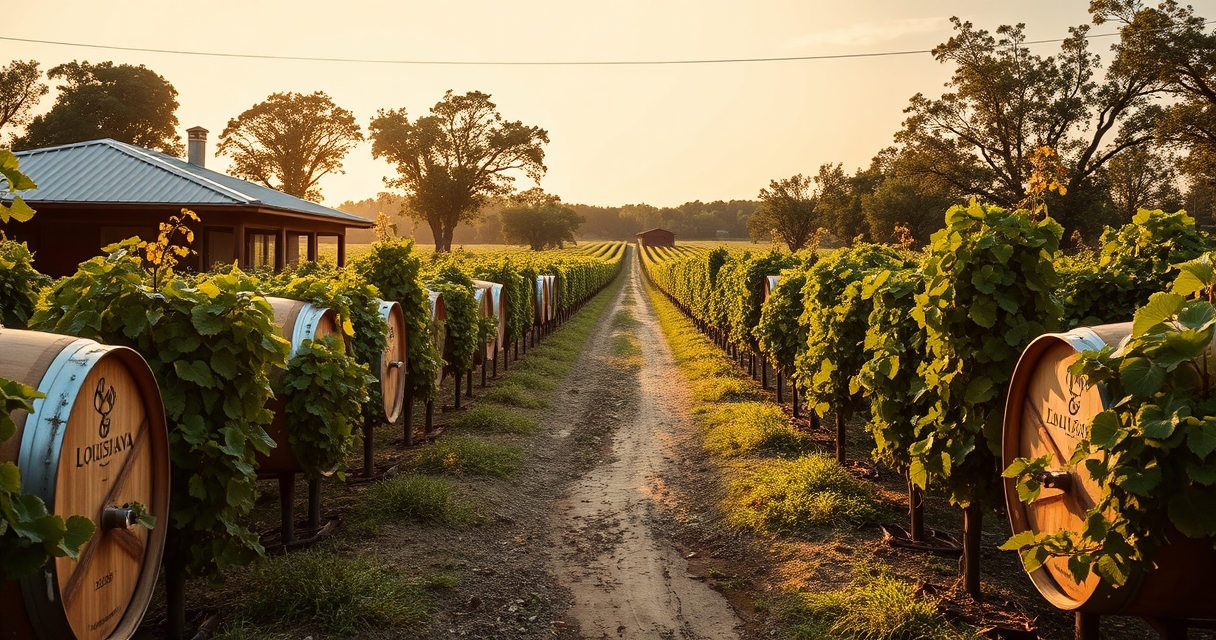
One of the biggest draws of wine tourism in Louisiana is the opportunity to explore the state’s cultural richness alongside its wines. Many of Louisiana’s wineries are located in picturesque rural areas, where visitors can enjoy scenic drives through rolling hills, lush forests, and historic towns. For example, a visit to Pontchartrain Vineyards might include a stop at a nearby Cajun restaurant, where guests can pair their wine tasting with traditional Louisiana dishes like gumbo or crawfish étouffée. Similarly, Landry Vineyards offers a taste of the state’s agricultural heritage, with fruit wines made from locally grown peaches, blackberries, and other produce.
Louisiana’s wineries also offer a variety of events and experiences that cater to wine enthusiasts of all levels. Many wineries host harvest festivals, live music performances, and educational workshops where visitors can learn about the winemaking process. For those looking to dive deeper into the world of wine, some wineries offer vineyard tours and tastings led by knowledgeable staff who can provide insights into the unique challenges and rewards of winemaking in Louisiana. Whether you’re a seasoned wine connoisseur or a casual visitor, Louisiana’s wine regions offer a welcoming and memorable experience that is unlike any other.
The Future of Louisiana’s Wine Industry: Challenges and Opportunities
Louisiana’s wine industry is still in its infancy, but it is poised for growth as more winemakers and consumers discover the state’s unique viticultural potential. However, the industry faces several challenges that must be addressed in order to reach its full potential. One of the biggest hurdles is the state’s climate, which remains a significant obstacle for traditional grape varieties. While hybrid and native grapes have proven successful, there is still much to learn about how to optimize their cultivation in Louisiana’s environment. Research and innovation will be key to overcoming these challenges, and Louisiana’s winemakers are already exploring new techniques and technologies to improve grape quality and yield.
Another challenge is the limited awareness of Louisiana’s wine industry, both within the state and beyond. Many consumers are still unaware that Louisiana produces wine, and those who are familiar with the state’s offerings may not realize the quality and diversity of its wines. Marketing and education will be crucial in raising the profile of Louisiana’s wine regions and attracting more visitors to its wineries. Events like wine festivals, tastings, and collaborations with local restaurants and retailers can help spread the word about Louisiana’s wines and build a loyal customer base.
Despite these challenges, the future of Louisiana’s wine industry is bright. The state’s winemakers are passionate, innovative, and committed to producing high-quality wines that reflect the unique terroir of the Deep South. As more consumers seek out new and exciting wine experiences, Louisiana’s wine regions are well-positioned to become a destination for those looking to explore the unexpected. With continued investment in research, marketing, and tourism, Louisiana’s wine industry has the potential to grow into a vibrant and respected part of the American wine landscape. For those willing to venture off the beaten path, Louisiana’s wines offer a taste of the South’s rich agricultural heritage and a glimpse into the future of viticulture in the Deep South.

Winemaker with 12 years in the cellar. I write about fermentation, terroir, and the honest mistakes that taught me more than any textbook. I’ve ruined more barrels than most people have tasted. That’s not a disclaimer — that’s a résumé. Twelve years making wine in France, now making sense of it in words.