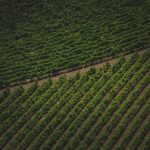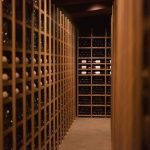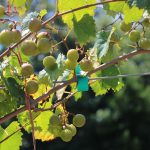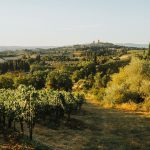
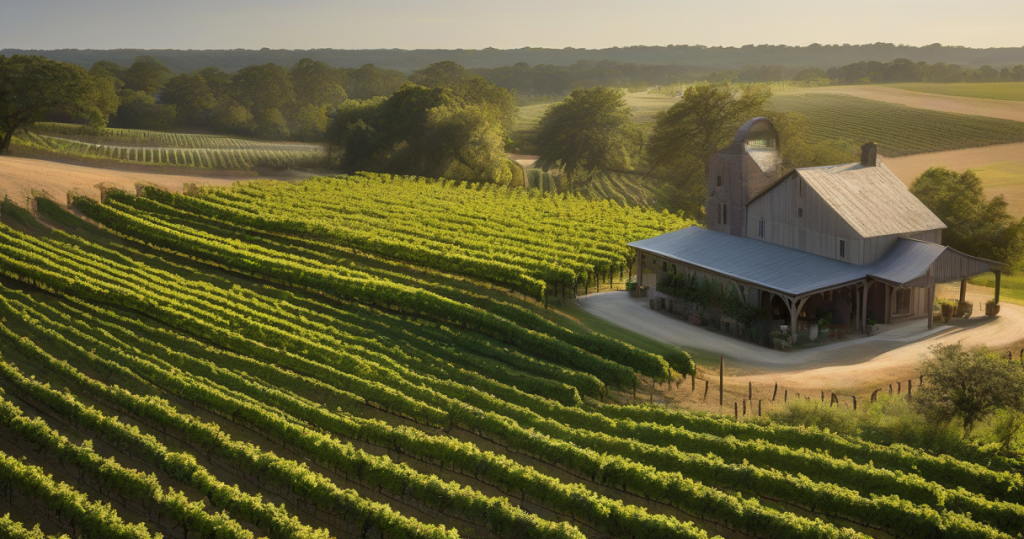
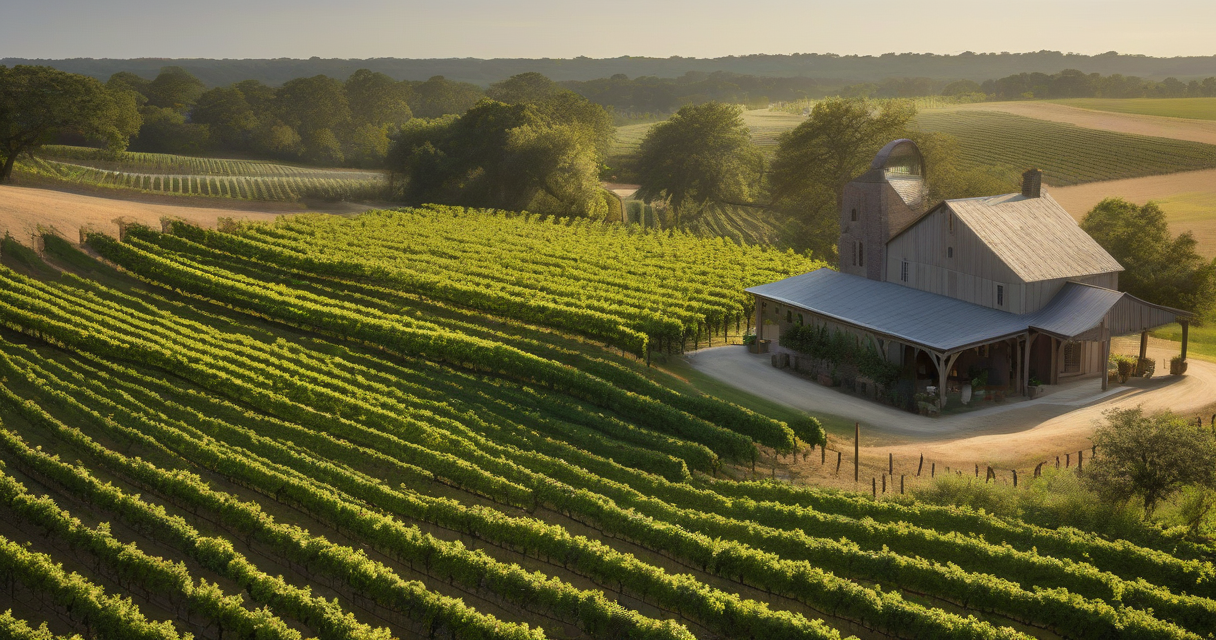
The heart of Louisiana’s wine country is quietly undergoing one of its most transformative shifts, sustainable vineyards in Louisiana are no longer a niche experiment but a defining standard. As the state’s viticulture industry matures, winemakers are turning to practices that honor the land while producing wines of unparalleled depth and character. Feliciana Cellars and other pioneering producers have proven that Louisiana’s unique terroir, where native grape varieties like Vidette and Aurelius thrive alongside the Mississippi River’s fertile soils, can be cultivated with minimal environmental impact. This isn’t just about reducing chemical use; it’s about redefining what it means to grow wine in the Bayou State, where tradition meets innovation in every row of vines.
Why Louisiana’s Vineyards Are Embracing Sustainability Now
The push for sustainable vineyards in Louisiana isn’t driven solely by environmental conscience, though that’s a major factor, sustainable vineyards Louisiana. The state’s wine industry faces distinct challenges: unpredictable weather patterns, rising temperatures, and soil erosion that threaten both yield and quality. Sustainable practices address these head-on by improving soil health, conserving water, and reducing long-term costs, all while meeting the growing demand from consumers who prioritize transparency and ethical sourcing. For example, Feliciana Cellars has adopted cover cropping and reduced tillage, which has slashed their need for irrigation by nearly 30 percent while enhancing the flavor complexity of their wines. The shift isn’t just practical; it’s strategic. Louisiana’s climate is warming faster than most regions, and vineyards that adapt now will set the benchmark for resilience. Sustainability here isn’t optional, it’s a survival tactic for the next decade of viticulture.
Another critical factor is the market. Louisiana wines, once considered a curiosity, are now gaining serious attention from critics and collectors. Sustainable vineyards in Louisiana aren’t just a selling point; they’re a competitive advantage. Wineries that can demonstrate their commitment to low-impact farming often command higher prices and build loyal followings among wine enthusiasts who care about provenance. The Louisiana Wine & Grape Board has even launched programs to certify sustainable practices, giving consumers a clear way to identify wines that meet rigorous standards. This isn’t just good for the planet, it’s good for business, and winemakers are taking notice.
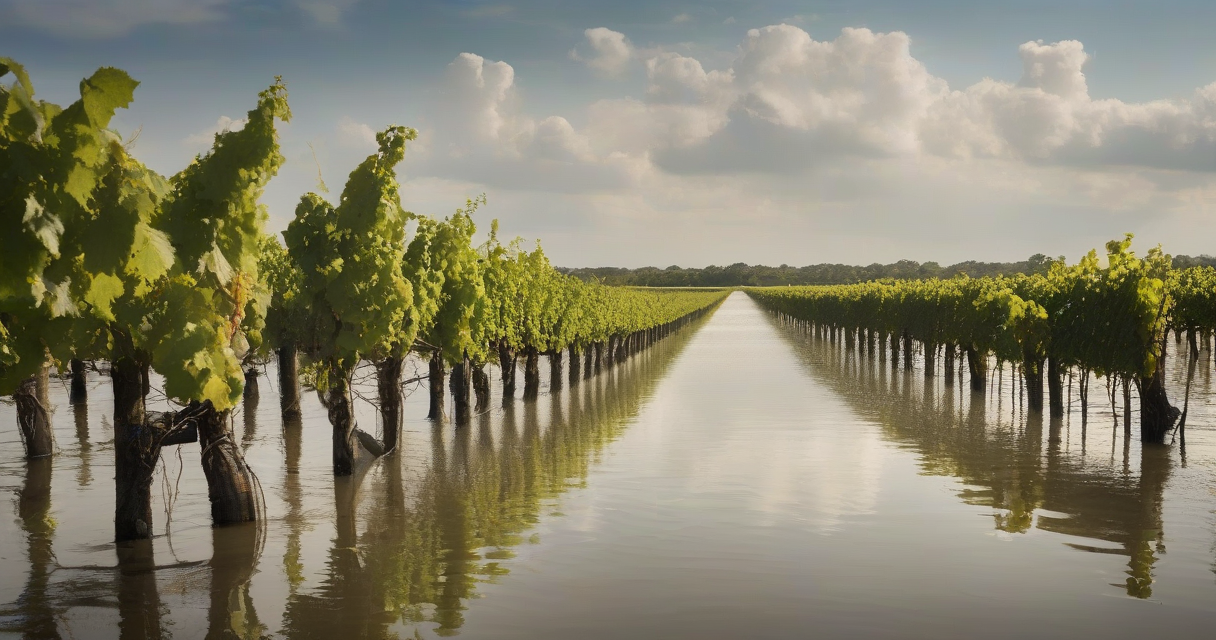
The state’s unique geography plays a role too. Louisiana’s vineyards are often nestled along floodplains or near coastal areas, where natural disasters like hurricanes and storms can devastate crops. Sustainable vineyards in Louisiana incorporate flood-resistant planting techniques and biodiversity corridors, which act as natural barriers against erosion and pests. Feliciana Cellars, for instance, has planted native grasses and wildflowers along buffer zones, which have reduced soil runoff by 40 percent during heavy rains. These aren’t just theoretical benefits, they’re tangible improvements that protect both the vineyard and the wine’s integrity.
Step 1: Soil Health as the Foundation of Sustainable Louisiana Wines
Before a single grapevine is planted, the soil must be the priority. In Louisiana’s humid climate, soil degradation happens faster than in drier regions, and traditional tilling can exacerbate the problem by disrupting microbial life. Sustainable vineyards in Louisiana start with a soil test, something many older vineyards skip until problems arise. Feliciana Cellars, for example, began by analyzing their loamy riverbank soils and discovered they were deficient in organic matter despite decades of cultivation. The solution? A mix of composted manure, biochar, and mycorrhizal fungi, applied in thin layers to avoid smothering the vines. Within two years, their soil’s water retention improved by 25 percent, and their Aurelius wines developed more pronounced notes of blackberry and spice.
The key to long-term soil health is diversity. Monoculture vineyards, where rows of identical vines stretch endlessly, are vulnerable to pests and diseases. Sustainable vineyards in Louisiana integrate cover crops like clover and rye, which suppress weeds, fix nitrogen, and prevent erosion. Feliciana’s approach includes rotating cover crops between vine rows, ensuring the soil never goes bare. This method also reduces the need for synthetic fertilizers, cutting costs and improving flavor. The result? Wines with brighter acidity and more balanced tannins, thanks to the soil’s enhanced mineral profile.
A common mistake is overcorrecting with organic amendments. Some vineyards dump excessive amounts of compost or mulch, which can suffocate roots or attract pests. The trick is precision, applying just enough to restore balance without overwhelming the ecosystem. Sustainable vineyards in Louisiana often work with agronomists to tailor amendments to specific soil types, whether it’s the sandy loams near the Mississippi or the heavier clay soils in the north. Feliciana’s team, for instance, uses a soil probe to check moisture levels before adding compost, ensuring every application is data-driven.
Step 2: Water Conservation in Louisiana’s Humid Climate
Water is the most precious resource in Louisiana’s vineyards, where humidity and heat evaporate moisture at an alarming rate. Sustainable vineyards in Louisiana treat water not as an endless supply but as a finite asset that must be managed carefully. Feliciana Cellars, located in the humid subtropical zone, has implemented drip irrigation paired with soil sensors that trigger watering only when vines need it. This system has reduced their water usage by nearly 50 percent compared to traditional flood irrigation. The payoff? Healthier vines with fewer stress-related defects, and wines that retain their freshness longer on the shelf.
On the The_AWRI channel, they explain soil health and its water-holding capacity, and you can watch it right here.
The challenge is balancing efficiency with vineyard aesthetics. Many sustainable practices, like mulching or drip lines, can look industrial if not integrated thoughtfully. Feliciana’s solution? They use permeable gravel around drip emitters and plant native ground covers like partridge pea, which suppress weeds while adding visual appeal. This dual-purpose approach keeps the vineyard looking lush while conserving water. Another trick is timing, watering in the early morning to minimize evaporation and avoiding late-afternoon sessions, which can encourage fungal growth. Small adjustments like these add up, especially in a state where rainfall is unpredictable.
Some vineyards make the mistake of relying too heavily on technology, like automated systems that don’t account for local conditions. Sustainable vineyards in Louisiana often combine tech with traditional knowledge. For example, Feliciana’s team observes dew patterns and adjusts irrigation schedules accordingly. They’ve found that vines in shaded areas require less water than those exposed to direct sunlight, even if they’re the same variety. This nuanced approach ensures water isn’t wasted on vines that don’t need it, while still meeting the needs of the entire vineyard.
Step 3: Pest and Disease Management Without Chemicals
Louisiana’s vineyards face unique pest pressures, from the grapevine leafhopper to powdery mildew, which thrives in the state’s high humidity. Sustainable vineyards in Louisiana avoid chemical pesticides by focusing on prevention and biological controls. Feliciana Cellars, for instance, uses ladybugs and predatory mites to manage aphid populations naturally. They’ve also planted hedgerows of native plants like sweet gum and American holly, which attract beneficial insects and disrupt pest life cycles. The result? A 60 percent reduction in pest-related crop loss over the past five years, without a single synthetic spray.
The key is early intervention. Many vineyards wait until pests become visible before acting, but by then, damage is often irreversible. Sustainable vineyards in Louisiana monitor their vines daily, using traps and visual inspections to catch issues before they spread. Feliciana’s team, for example, noticed an early infestation of grapevine moths and responded by introducing pheromone traps and introducing a strain of Bacillus thuringiensis (Bt) that targets the larvae. This proactive approach saved their Vidette vines from significant defoliation. The lesson? Prevention isn’t just about avoiding chemicals, it’s about staying ahead of the game.
A common pitfall is underestimating the role of biodiversity. Some vineyards assume that native plants are enough, but without careful planning, they can attract pests rather than repel them. Sustainable vineyards in Louisiana often work with ecologists to design pollinator-friendly zones that also deter harmful insects. Feliciana’s approach includes planting clover and yarrow in specific patterns around the vineyard, creating corridors that guide beneficial insects while blocking pests. It’s a delicate balance, but one that pays off in the long run with healthier vines and fewer chemical interventions.
Step 4: Energy Efficiency and Renewable Resources in Vineyard Operations
Louisiana’s vineyards aren’t just about growing grapes, they’re about how that growth is powered. Sustainable vineyards in Louisiana are increasingly turning to renewable energy to offset their carbon footprint. Feliciana Cellars, for example, installed solar panels on their winery roof, which now generate enough electricity to power their fermentation tanks and cellar pumps. They’ve also switched to LED lighting in the vineyard, reducing energy use by 70 percent compared to traditional high-pressure sodium lamps. These changes haven’t just cut costs, they’ve improved the quality of their wines by maintaining consistent temperatures in the cellar.
The transition to renewable energy often starts with small, high-impact changes. Sustainable vineyards in Louisiana might begin by replacing gas-powered equipment with electric alternatives, like battery-powered tractors or solar-charged irrigation pumps. Feliciana’s team, for instance, swapped their diesel-powered sprayers for an electric model, which cuts emissions by 90 percent and reduces noise pollution, a big win for vineyard workers. The investment pays off quickly, especially when paired with state incentives for sustainable agriculture. Louisiana’s tax credits for renewable energy projects can cover up to 30 percent of installation costs, making the shift more accessible than many winemakers realize.
Another often-overlooked area is waste management. Sustainable vineyards in Louisiana treat winery byproducts like grape pomace and lees as resources rather than waste. Feliciana Cellars, for example, composts their pomace to create a nutrient-rich soil amendment, while their lees are used to enrich their vineyard soils. They’ve even partnered with local distilleries to turn excess grape skins into biofuel. These circular practices not only reduce landfill use but also create additional revenue streams. It’s a win-win for the environment and the bottom line.
Step 5: Training Vineyard Workers in Sustainable Practices
The people who work in Louisiana’s vineyards are the backbone of sustainable agriculture, but many lack formal training in eco-friendly techniques. Sustainable vineyards in Louisiana prioritize education, offering workshops on topics like organic pest control, soil health, and energy efficiency. Feliciana Cellars, for instance, partners with local agricultural extension programs to train their staff in best practices, from identifying beneficial insects to reading soil moisture sensors. This hands-on approach ensures that every worker understands the “why” behind sustainable methods, not just the “how.” When employees feel invested in the process, they’re more likely to innovate and adapt.
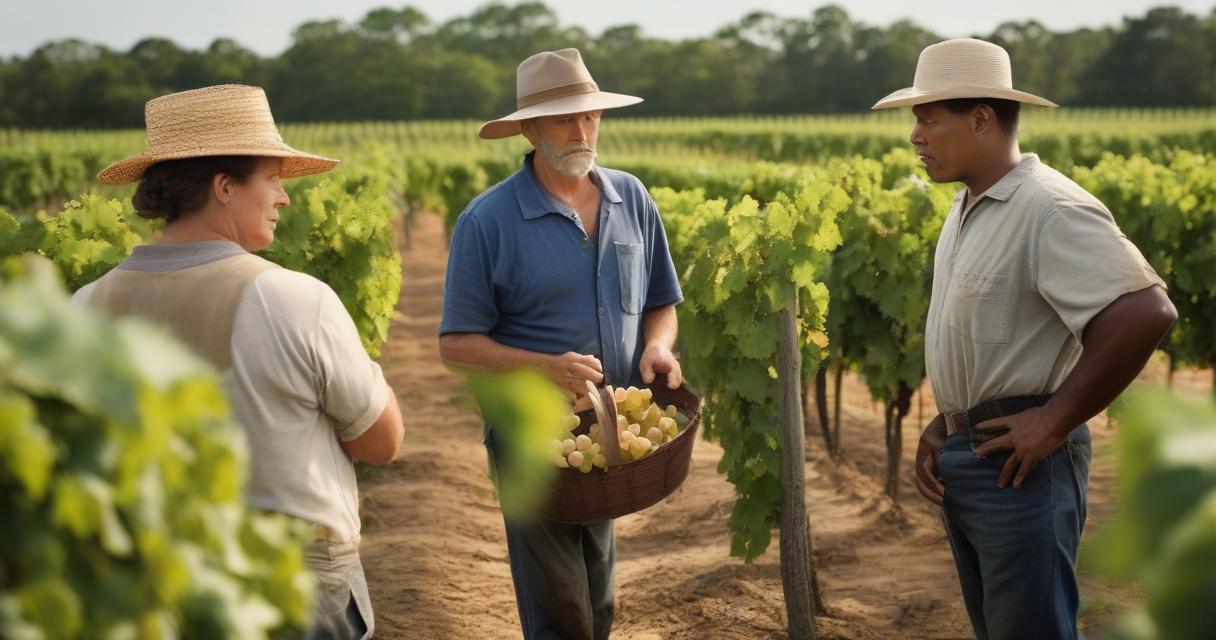
The challenge is making training accessible. Some vineyards assume their workers can learn on the job, but sustainable practices often require a deeper understanding than traditional farming. Sustainable vineyards in Louisiana address this by creating mentorship programs where experienced staff teach newer hires. Feliciana’s team, for example, pairs each new employee with a “sustainability buddy” who guides them through the vineyard’s eco-practices. This peer-to-peer learning keeps knowledge alive and ensures consistency across the operation. It’s a simple but effective way to build a culture of sustainability from the ground up.
A common mistake is treating training as a one-time event. Sustainable practices evolve as new research emerges, and vineyard workers need ongoing education to stay current. Feliciana Cellars hosts quarterly “sustainability roundtables” where they discuss emerging trends, like climate-resilient vine varieties or new water-saving technologies. These sessions are open to all staff, from cellar workers to harvest crews, ensuring everyone is aligned with the vineyard’s goals. The result? A workforce that’s not just skilled but also passionate about preserving Louisiana’s wine heritage.
Step 6: Certifying Sustainability for Market Advantage
For Louisiana’s wineries, sustainability isn’t just a moral imperative, it’s a market differentiator. Sustainable vineyards in Louisiana that seek certification, like those through the Louisiana Sustainable Winegrowing Alliance or the USDA Organic program, gain access to premium pricing and dedicated buyers. Feliciana Cellars pursued certification after noticing that their sustainable practices were already driving demand, but they wanted to formalize their commitment. The process involved documenting everything from their water usage to their pest management strategies, which also helped them refine their operations. Today, their certification is a key selling point, especially in regions where consumers actively seek sustainably produced wines.
The certification process can be daunting, but it’s worth the effort. Sustainable vineyards in Louisiana often find that the standards push them to adopt even more rigorous practices. For example, Feliciana had to prove that their compost was free of synthetic additives, which led them to source materials from local farms that also practice organic agriculture. This collaboration not only met certification requirements but also strengthened their supply chain. The payoff is clear: certified wines often command 10 to 20 percent higher prices, and retailers are more likely to feature them on their shelves.
One critical step is choosing the right certification. Not all programs are created equal, and some may require more documentation than others. Sustainable vineyards in Louisiana should research which certifications align with their goals, whether it’s environmental impact, social responsibility, or both. Feliciana chose the Louisiana Sustainable Winegrowing Alliance because it focuses on regional best practices, including flood resilience and biodiversity. This tailored approach ensures their certification reflects their unique challenges and opportunities. The bottom line? Certification isn’t just about checking a box, it’s about leveraging sustainability as a competitive edge in a crowded market.

Winemaker with 12 years in the cellar. I write about fermentation, terroir, and the honest mistakes that taught me more than any textbook. I’ve ruined more barrels than most people have tasted. That’s not a disclaimer — that’s a résumé. Twelve years making wine in France, now making sense of it in words.