Impact of Climate Change on Vineyard Conditions
Climate change plays a significant role in reshaping vineyard conditions across the globe. The intricate balance required for successful grape growing is highly sensitive to shifts in temperature, precipitation patterns, and the increasing frequency of extreme weather events. These environmental impacts are challenging traditional winemaking regions and forcing adaptations in viticulture practices.
One of the most direct effects of climate change on vineyards is the shift in temperature ranges. Warmer temperatures can accelerate the ripening process of grapes, often leading to changes in the flavor profile and sugar content, which directly influence the quality of wine. Conversely, excessive heat during critical growth periods can stress vines, reduce yields, and increase the risk of sunburn on grape clusters. Regions that were once ideal for certain grape varieties may become less suitable, pushing vineyards to either adapt with heat-resistant varietals or alter their vineyard management strategies.
Precipitation patterns are also becoming less predictable due to climate change, which is a critical concern for grape growing. Some areas face prolonged droughts, impacting soil moisture and vine health, while others experience intense rainfall events that can result in flooding and soil erosion. Both extremes affect the consistency and safety of grape production. Effective irrigation strategies and water management have become essential elements for vineyard sustainability as growers respond to these evolving environmental impacts.
Additionally, the rise in extreme weather events such as hailstorms, frosts, and unseasonal temperature fluctuations presents serious risks to vineyards worldwide. Sudden frost events during budding can destroy young shoots, and hail can physically damage vines and grapes. These unpredictable weather occurrences necessitate more robust protection measures and contingency planning in vineyards, adding complexity to the already delicate art of grape growing.
In summary, climate change is profoundly influencing vineyard conditions by altering temperature regimes, disrupting precipitation patterns, and increasing extreme weather events. These factors collectively challenge the environmental balance required for optimal grape growing and compel winemakers to innovate and adapt. Understanding and mitigating the impact of climate change is crucial to sustaining the quality and viability of vineyards in the years to come.
Temperature Variability and Grape Development
Temperature changes play a critical role in grapevine phenology and the overall process of grape ripening. Fluctuations in temperature directly affect vine growth stages, determining how quickly or slowly grapes develop throughout the season. When temperatures vary significantly, it can shift the timing of bud break, flowering, and fruit set, which are essential phases in grapevine development. Cooler temperatures tend to slow vine growth and delay ripening, while warmer conditions accelerate these processes.
The variability in temperature influences grape ripening by altering sugar accumulation, acid degradation, and phenolic development within the berries. When daytime temperatures rise, photosynthesis rates increase, leading to faster sugar buildup, but if nights remain cool, acidity is better preserved, which is beneficial for balancing grape flavors. Conversely, excessive heat can hasten ripening too much, resulting in overripe grapes with altered flavor profiles and imbalanced sugar and acid levels.
Understanding how temperature changes impact vine growth provides winemakers with crucial insights for vineyard management. By monitoring temperature variability, they can adjust practices such as canopy management and irrigation to optimize grapevine health and ensure consistent, high-quality fruit. Overall, fluctuations in temperature are a fundamental factor influencing the ripening timeline and quality of grapes, shaping the final characteristics of the wine.
Changes in Precipitation and Water Availability
Altered rainfall patterns due to climate change have introduced significant variability in vineyard soil moisture, directly impacting water availability for grapevines. Rainfall variation disrupts the natural replenishment of soil moisture, causing periods of excessive dryness followed by intense wet spells. These fluctuations challenge growers’ ability to maintain optimal soil conditions for healthy vine growth and grape quality. During dry periods, water stress becomes a critical issue, stressing vines and potentially reducing fruit yield and quality if not managed correctly.
Irrigation challenges arise as traditional watering schedules no longer align with unpredictable rainfall. Vineyards must increasingly rely on precise irrigation techniques to compensate for insufficient natural rainfall while avoiding overwatering during sporadic heavy rain events. The need for efficient water use grows, prompting adoption of advanced irrigation systems, such as drip irrigation, to deliver water directly to the vine roots in controlled amounts. However, water sources for irrigation are also impacted by changing precipitation, sometimes leading to scarcity issues and further complicating vineyard management.
Overall, the unpredictable nature of rainfall variation necessitates a more adaptive approach to irrigation planning, emphasizing real-time monitoring of soil moisture and weather conditions. Ensuring adequate water supply while minimizing water stress is essential in maintaining vineyard health and sustaining grape production under the challenges posed by climate change.
Adaptation Strategies for Winemakers
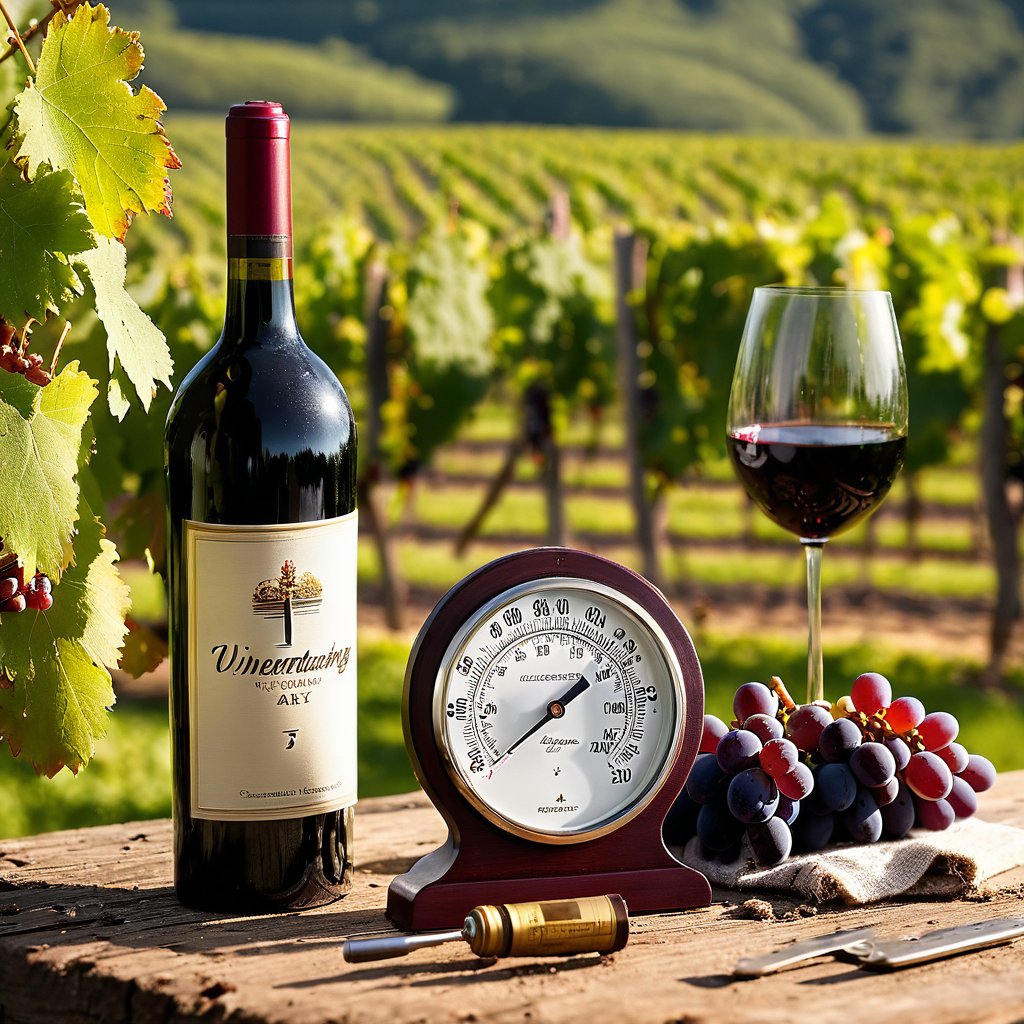
As climate change continues to reshape the environment, winemakers are embracing adaptation as a crucial component of sustainable viticulture. By implementing innovative winemaking strategies, they aim to enhance climate resilience while ensuring the quality and consistency of their vintages. These practical approaches not only address immediate challenges but also prepare vineyards for long-term sustainability.
One of the primary adaptation strategies involves altering vineyard management to better suit changing climatic conditions. This includes selecting grape varieties that are more tolerant to heat and drought, ensuring that vineyards can thrive despite rising temperatures and reduced water availability. Additionally, adjusting planting densities and canopy management helps regulate microclimates within the vineyard, improving grape quality and minimizing heat stress.
Water management innovations play an essential role in supporting climate resilience. Many winemakers are adopting precise irrigation techniques such as drip irrigation and soil moisture monitoring to conserve water and optimize vine hydration. These methods reduce water waste and help maintain vine health in conditions of water scarcity, key for sustainable viticulture in many regions facing climate uncertainties.
Technological advancements are also driving innovation in winemaking strategies. Use of remote sensing and climate modeling allows vintners to monitor vineyard conditions in real time and make informed decisions based on accurate climate data. Such technologies enable early identification of stress factors like heat waves or frost, allowing responsive measures to protect vines from damage.
Soil management techniques further support adaptation by improving soil health and water retention. Practices such as cover cropping, mulching, and organic amendments enhance the soil’s ability to retain moisture and nutrients, creating a more resilient environment for grapevines. Healthy soils act as a buffer against extreme weather, contributing to a more sustainable and productive vineyard ecosystem.
Finally, collaboration and knowledge sharing among winemakers have become fundamental for advancing adaptation. Regional partnerships and participation in sustainability programs foster the exchange of best practices and innovation, facilitating a collective response to climate challenges. Through such efforts, the wine industry continues to evolve, securing its future in the face of climate change.
Altering Grape Varieties and Rootstocks
As climate change reshapes vineyard conditions, the selection of grape varieties and rootstock adaptation has become essential for sustaining wine production. Warmer temperatures and increasing drought stress necessitate choosing grape varieties that are better suited to these evolving climatic realities. Traditionally cultivated grapes often struggle to thrive under heat and water scarcity, pushing vintners to explore varieties with greater heat and drought tolerance.
Rootstock adaptation plays a complementary role in this transition. Rootstocks can influence drought resistance and nutrient uptake efficiency, helping vines survive in harsher environments. By combining vineyard practices with thoughtful rootstock selection, growers improve the overall resilience of their vineyards.
Among the strategies, introducing grape varieties native to warmer regions or hybrids specially bred for climate suitability is increasingly popular. These grapes maintain quality while requiring less water, reducing irrigation needs and preserving vineyard health amidst more frequent heat waves. As a result, altering grape varieties and rootstocks represents a proactive approach to adapting winemaking to new environmental challenges.
Viticultural Practices for Climate Resilience
In response to the increasing challenges posed by climate change, vineyard management techniques have evolved to enhance climate resilience. A critical aspect is the modification of pruning schedules and methods to ensure balanced crop load, which helps to optimize grape quality and yield under varying climatic conditions. By carefully adjusting the number of buds left during pruning, growers can manage the vine’s vigor and fruit production to better withstand stress.
Canopy management is another vital technique for coping with climate stresses. Modifying the canopy structure through strategic leaf removal and shoot positioning improves air circulation and sunlight penetration, reducing the risk of heat stress and diseases. This method also helps to regulate grape cluster exposure, preventing sunburn and promoting more uniform ripening.
Soil management is equally important in supporting vine health and productivity in the face of climate variability. Practices such as cover cropping, mulching, and soil aeration enhance soil structure, water retention, and nutrient availability. These interventions protect the soil from erosion and degradation, helping vineyards to sustain grapevines through periods of drought or intense rainfall.
Together, these viticultural practices—pruning to control crop load, canopy management, and soil conservation—form a robust approach to managing vineyards sustainably. They enable growers to mitigate the risks associated with climate change, ultimately securing the quality and consistency of wine production in an increasingly unpredictable environment.
Long-Term Effects of Climate Change on Wine Quality and Industry
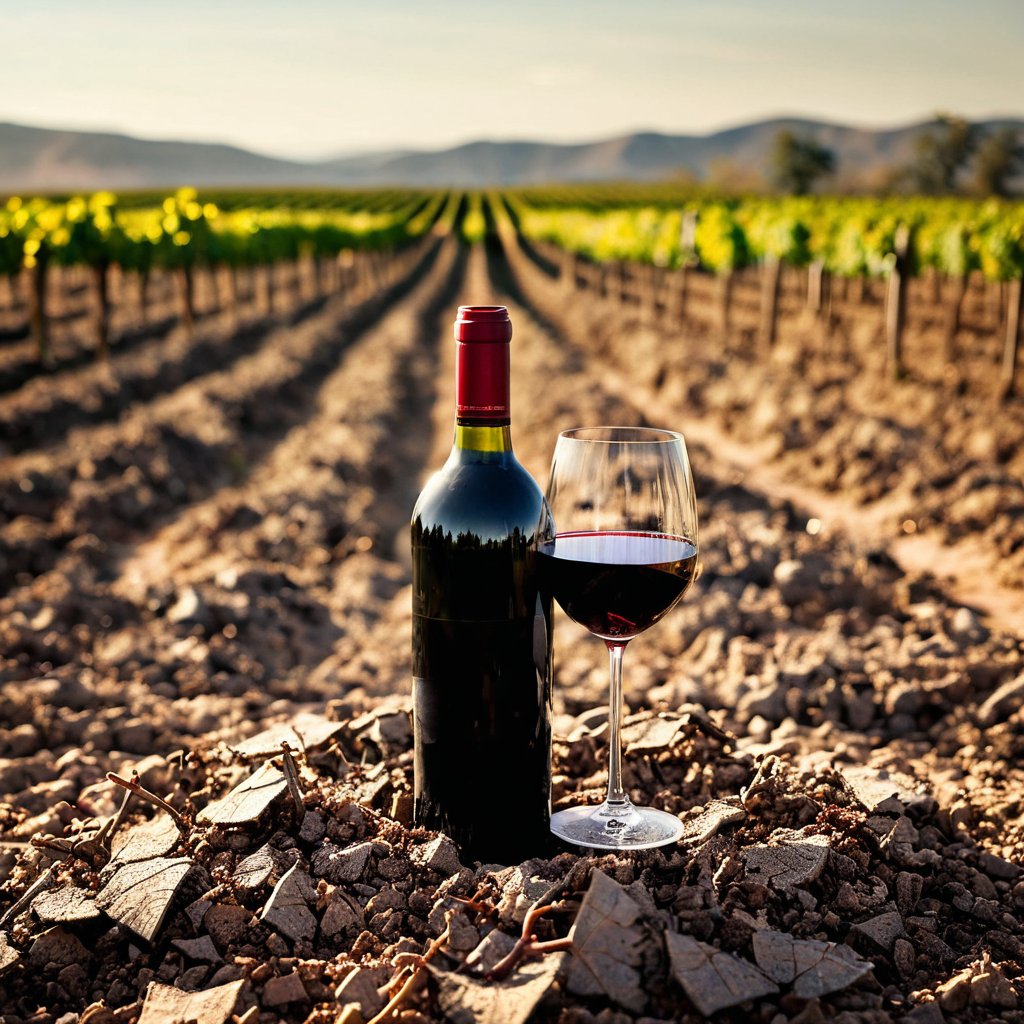
As climate change continues to reshape the global environment, its long-term effects on wine quality and the wine industry are becoming increasingly evident. Changes in temperature, precipitation patterns, and extreme weather events have the potential to significantly alter the characteristics of wine, influencing everything from grape ripening to flavor profiles. Understanding these shifts is crucial for forecasting future trends in wine production and market dynamics.
One of the most direct impacts of ongoing climate shifts is on wine quality. Grapevines are highly sensitive to their growing conditions, and subtle changes in temperature can accelerate or delay the ripening process. Warmer climates often lead to higher sugar levels in grapes, which can increase alcohol content but potentially reduce acidity, altering the balance and complexity of the wine. This shift may favor some varietals while disadvantaging others, forcing winemakers to adapt their cultivation and harvesting strategies.
Beyond individual wine characteristics, the broader industry impact is profound. Regions traditionally known for specific types of wine may find their suitability changing, prompting shifts in vineyard locations and the types of grapes planted. This geographic redistribution affects not only local economies but also global supply chains and pricing structures. Wine producers must navigate these changes while maintaining quality standards and meeting consumer expectations.
Future forecasting models suggest that climate change will continue to drive variability in vintage quality and quantity, creating both challenges and opportunities for the wine market. Producers who invest in adaptive techniques—such as drought-resistant rootstocks and innovative canopy management—may gain a competitive edge. Additionally, emerging wine regions in cooler climates could rise in prominence, influencing global market trends and diversifying the options available to consumers.
In conclusion, the long-term effects of climate change on wine quality and the wine industry underscore the need for ongoing research and adaptive strategies. By understanding how continued climate shifts impact grape characteristics and market dynamics, industry stakeholders can better prepare for a future where wine production and consumption patterns may be markedly different from today.
Shifts in Wine Flavor Profiles and Characteristics
Climate change plays a significant role in altering the flavor changes experienced in wines by affecting various components in grapes. As temperatures rise, grapes tend to accumulate higher sugar levels, which can lead to wines with increased alcohol content. This shift not only influences the taste profiles but also impacts the overall balance of the wine.
In addition to sugar concentration, climate variations also modify the acidity of grapes. Higher temperatures often reduce acidity, which diminishes the crispness and freshness typically found in cooler-climate wines. This alteration in acidity changes how wine pairs with food and affects its aging potential.
Moreover, climate effects heavily influence the wine aroma by altering the composition of aroma compounds in the grapes. Changes in sunlight exposure, temperature fluctuations, and water availability can affect the synthesis of these volatile compounds, resulting in different aromatic profiles. For example, wines from warmer regions might exhibit more pronounced fruity and floral notes, while cooler regions may preserve more herbaceous and mineral scents.
Overall, the interplay of increased sugar levels, altered acidity, and modified wine aroma leads to evolving taste profiles that reflect the changing climate. Winemakers are continually adapting their practices to preserve the distinctive characteristics of their wines while embracing these new flavor challenges.
Economic and Regional Impacts on Winemaking
The effects of climate change on winemaking extend beyond environmental concerns, significantly influencing economic patterns and regional dynamics. One of the most notable economic changes is the shifting of traditional wine regions. As temperatures rise, established areas face challenges that can reduce grape yields and alter wine quality, leading to a decline in profitability for vineyard businesses rooted in these locations.
Consequently, many vineyards are considering relocation to cooler climates or higher altitudes where conditions remain favorable for grape cultivation. This vineyard relocation brings its own set of economic implications, including the costs associated with moving operations, replanting, and rebuilding brand reputation in new markets. Additionally, these shifts can disrupt local economies that depend heavily on wine production as a primary source of income.
Furthermore, regional shifts in wine production impact wine tourism, a critical component of the wine industry economy. Areas that traditionally attracted wine enthusiasts may witness a decline in tourism, while emerging wine regions could experience growth, reshaping regional economic landscapes. This transition requires stakeholders to adapt marketing strategies and invest in infrastructure to support increased tourist activity.
Overall, the intertwined nature of economic change, regional shifts, vineyard relocation, and wine tourism highlights how climate change is reshaping the winemaking industry’s economic future. Stakeholders must navigate these changes carefully to sustain vineyard businesses and regional economies alike.

Winemaker with 12 years in the cellar. I write about fermentation, terroir, and the honest mistakes that taught me more than any textbook. I’ve ruined more barrels than most people have tasted. That’s not a disclaimer — that’s a résumé. Twelve years making wine in France, now making sense of it in words.