
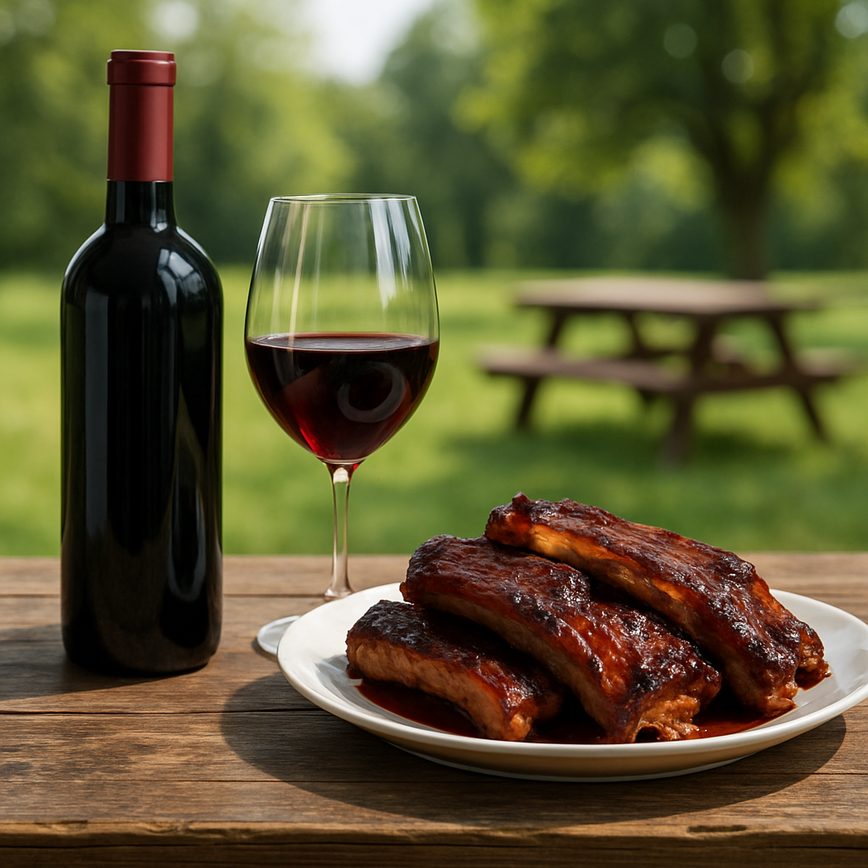
Introduction to Wine and Southern Barbecue Pairing
Pairing wine with Southern barbecue offers an exciting and flavorful journey that elevates the dining experience. Southern barbecue, known for its bold and smoky flavors, rich sauces, and tender meats, creates a complex palate that begs to be complemented by the right wine. Understanding the relationship between food and wine is essential for crafting a successful pairing guide that enhances both the dish and the drink.
The importance of wine pairing with Southern barbecue lies in the harmonious balance achieved when the wine’s characteristics match or contrast intelligently with the robust flavors of the barbecue. For example, the fruity and tannic notes found in many red wines can cut through the richness of smoked meats, cleansing the palate and refreshing the senses. Alternatively, a crisp white wine with bright acidity may accentuate the spice and tang of barbecue sauces, creating layers of flavor that delight the palate.
Southern barbecue’s diverse range of flavors—from sweet and tangy to fiery and smoky—means there is no one-size-fits-all wine pairing. Instead, a thoughtful pairing guide considers the ingredients, preparation styles, and regional variations to recommend wines that complement the unique taste profile of each dish. Whether it’s a smoky brisket, spicy ribs, or pulled pork with a vinegar-based sauce, the right wine can enhance the dining experience by balancing the intense flavors and adding depth.
Ultimately, the appeal of pairing wine with Southern barbecue is in the celebration of contrasts and complements. Wine lovers and barbecue enthusiasts alike can enjoy exploring how different varietals—from robust reds like Zinfandel and Syrah to aromatic whites like Riesling and Sauvignon Blanc—interact with the hearty, flavorful components of Southern barbecue. This connection between wine and Southern barbecue not only elevates the meal but also brings people together through shared enjoyment and discovery.
Types of Southern Barbecue and Their Flavor Profiles
Southern barbecue is a rich tapestry of regional barbecue traditions, each with its own unique meat styles, sauces, and spices reflecting local tastes and history. Understanding different southern barbecue types and their distinct barbecue flavor profiles helps enthusiasts appreciate the diversity and craftsmanship behind this iconic cuisine.
One of the most iconic southern barbecue types is Texas-style barbecue, known for its focus on beef, particularly brisket. Texas barbecue flavor is characterized by a simple dry rub consisting of salt, black pepper, and other spices, allowing the quality of the meat to shine. The meat is smoked low and slow over oak wood, resulting in a tender, smoky flavor profile that is both bold and savory. Sauces are usually minimal or used as a complement rather than a mask for the meat’s flavor.
In contrast, North Carolina barbecue emphasizes pork, specifically the whole hog or pork shoulder. This regional barbecue style is renowned for its tangy vinegar-based sauce, which often includes red pepper flakes and a touch of sweetness. The barbecue flavor here is bright, acidic, and slightly spicy, highlighting the smoky, tender pork with a clean finish. Eastern North Carolina uses a vinegar and pepper sauce, while Western parts of the state add tomato or ketchup for a slightly sweeter and thicker sauce.
Memphis barbecue offers another take with its emphasis on pork ribs and pulled pork. The hallmark of Memphis-style southern barbecue is the sweet and tangy tomato-based sauce that often includes molasses, brown sugar, and a blend of spices. The meat styles here are dry-rubbed before cooking, creating a flavorful crust called “bark,” while the sauce adds a sticky, flavorful glaze. This regional barbecue style balances sweetness, smokiness, and a mild heat.
Finally, South Carolina barbecue is famous for its mustard-based sauce, which sets it apart from other southern barbecue types. Often referred to as “Carolina Gold,” this sauce is tangy, slightly sweet, and peppery, pairing perfectly with pork shoulders and ribs. The spice blend used in South Carolina barbecue leans towards mustard and vinegar, which provide a complex and vibrant flavor profile.
Exploring regional southern barbecue types reveals how diverse barbecue flavor can be, from Texas’s bold beef brisket to North Carolina’s vinegar punch, Memphis’s sweet-savory ribs, and South Carolina’s mustard tang. These variations in meat styles, sauces, and spices define the unique and cherished heritage of southern barbecue.
Pork-Based Barbecue Varieties
Pork barbecue encompasses a rich variety of styles, with pulled pork and ribs being two of the most beloved. Pulled pork is typically made from pork shoulder, slow-cooked until tender enough to be shredded with ease. This style often features a seasoning rub that balances savory, sweet, and smoky spices, complemented by a tangy barbecue sauce that enhances its moist texture. The flavor profile of pulled pork leans towards a harmonious blend of spice and sweetness, making it adaptable to various regional barbecue sauces—from vinegar-based sauces of the Carolinas to the tomato and mustard blends found elsewhere.
Ribs, another popular pork barbecue staple, come in numerous regional varieties such as St. Louis style and baby back ribs. These cuts are usually seasoned with dry rubs that highlight garlic, paprika, black pepper, and brown sugar, creating a caramelized crust when cooked low and slow. The choice of barbecue sauce for ribs often prioritizes thicker, richer options that add depth and moisture, including sticky sweet sauces or smoky, tangy versions. Together, the seasoning and sauce profiles contribute to a bold and layered taste experience that highlights the natural flavor of pork while satisfying the cravings of barbecue lovers.
Beef and Brisket Barbecue Styles
Beef barbecue, especially when featuring brisket, is celebrated for its rich, smoky flavor and tender texture that develops through careful preparation and unique barbecue techniques. Brisket, a cut from the lower chest of the cow, requires slow cooking over low heat, often through smoking, to break down its tough connective tissues and render it juicy and flavorful. This process can take several hours, during which the meat absorbs the aromatic smoke, infusing it with deep, complex smoky notes that define classic beef barbecue.
Traditional barbecue techniques for brisket include wood smoking, where hardwoods like oak, hickory, or mesquite are used to impart distinctive flavors. The choice of wood and the duration of smoking significantly affect the final taste profile. Aside from smoking, many pitmasters use dry rubs of spices and salt to enhance the natural beef flavor and create a flavorful bark on the surface. This bark adds texture and a savory punch that complements the tender interior.
Beef barbecue styles vary regionally, but the emphasis on smoky flavor and meticulous cooking techniques remains constant. Whether served sliced or chopped, the smoky brisket stands out as a hallmark of authentic barbecue that showcases the mastery behind perfecting this iconic meat. The blend of smoke, seasoning, and slow-cook patience makes beef barbecue, particularly brisket, a beloved delicacy with a bold, hearty taste.
Best Wine Pairings for Southern Barbecue
Pairing wine with Southern barbecue requires a thoughtful approach to complement the diverse flavors of meats and sauces. Each type of barbecue dish pairs wonderfully with certain wines that enhance its unique characteristics. Below are some essential wine pairing tips and recommendations tailored for popular Southern barbecue meats and sauces.
For smoked pork, especially pulled pork with a tangy vinegar-based sauce, a bright and zesty wine like a dry Riesling or Sauvignon Blanc is ideal. These wines offer crisp acidity that cuts through the richness and balances the tanginess of the sauce. If you prefer red wine, try a fruity Pinot Noir, which complements pork’s sweetness without overpowering it.
When it comes to beef brisket, with its deep smoky flavors and often sweet or spicy sauce, fuller-bodied red wines work best. A classic match is a robust Zinfandel, known for its spicy notes and ripe fruit flavors that echo the barbecue spices. Alternatively, a Malbec or Syrah can also stand up well to the intense flavors of brisket and its rich barbecue wine matches.
Barbecue chicken with a sweet and tangy glaze pairs beautifully with medium-bodied whites or lighter reds. Chardonnay, especially one with a touch of oak, offers a creamy texture and subtle fruit notes that complement the chicken’s flavors. For red wine lovers, a light Grenache or Beaujolais will enhance the dish without overwhelming the glaze’s sweetness.
For ribs, especially those with a thick, smoky, and sticky sauce, big and bold wines are perfect. A Syrah or Cabernet Sauvignon with its robust tannins and dark fruit profile melds harmoniously with the char and savoriness of ribs. If you want to try something different, a smoky Tempranillo or a bold Merlot can also be excellent choices.
Vegetarian barbecue dishes and sides with smoky flavors pair well with versatile and refreshing wines such as dry rosé or Grüner Veltliner. These wines offer bright acidity and a touch of fruitiness, making them excellent wine recommendations to enjoy alongside plant-based barbecue options.
Overall, the best wines for barbecue balance acidity, fruitiness, and tannins to complement different sauces and meats. Whether you love bold reds or crisp whites, these wine pairing tips help you find perfect barbecue wine matches that elevate every Southern barbecue feast.
Wines Pairing with Pork and Sweet Barbecue Sauces
Pork barbecue with sweet or tangy sauces offers a rich combination of flavors that can be beautifully complemented by the right wine choices. For an ideal pork wine pairing, rosé wine stands out as a versatile option. Its bright acidity and subtle fruitiness help to balance the sweetness of the sauce while refreshing the palate. The gentle red fruit notes in rosé harmonize with the tender flavors of pork, making each bite and sip more enjoyable.
Zinfandel is another excellent wine for sweet barbecue sauces. Known for its bold fruit-forward character with hints of spice, Zinfandel complements the sweetness and tanginess often found in barbecue sauces. The wine’s natural jammy flavors and moderate tannins create a perfect harmony with the caramelized edges of the pork, intensifying the smoky, savory experience without overwhelming the delicate meat.
When selecting wines for pork paired with sweet barbecue sauce, it’s crucial to consider the balance between sweetness, acidity, and flavor intensity. Rosé wine’s crispness cuts through the rich, sticky texture of the sauce, making it a refreshing match. Meanwhile, Zinfandel provides a fuller-bodied experience that resonates with the sauce’s complexity and the pork’s succulence. These combinations highlight the complementary flavor profiles, elevating a classic Southern barbecue experience to a culinary delight.
Wines for Beef Brisket and Smoky Flavors
When it comes to beef wine pairing, especially with smoky barbecue like beef brisket, the goal is to complement the rich, robust flavors without overpowering them. A classic choice is a bold Cabernet Sauvignon. This wine’s full-bodied profile, with its dark fruit notes and firm tannins, enhances the smoky, caramelized flavors of the brisket, while cutting through the fat to refresh the palate after each bite.
Another excellent option is Malbec, known for its deep color and intense fruit-forward taste with hints of spice. Malbec pairs beautifully with the smoky barbecue due to its moderate tannins and smooth finish, which balance the richness and add a layer of complexity to the meal. Its earthy undertones complement the char and smoke inherent in the brisket’s flavor profile.
Both Cabernet Sauvignon and Malbec bring out the bold, savory notes in beef brisket, making them ideal for those who appreciate a smoky barbecue experience. Choosing wines with structured tannins and ripe fruit profiles ensures that every sip enhances the smoky, robust flavors on your plate, creating a harmonious and satisfying pairing.

Winemaker with 12 years in the cellar. I write about fermentation, terroir, and the honest mistakes that taught me more than any textbook. I’ve ruined more barrels than most people have tasted. That’s not a disclaimer — that’s a résumé. Twelve years making wine in France, now making sense of it in words.