Introduction to Barrel vs Stainless Steel Aging
Aging is a critical step in the production of many beverages, influencing flavor, aroma, texture, and overall quality. The aging process allows beverages such as wine, whiskey, and other spirits to mature, developing complex characteristics that enhance the drinking experience. Two predominant aging methods used in the industry are barrel aging and stainless steel aging, each offering distinct benefits and differences in how they transform the beverage.
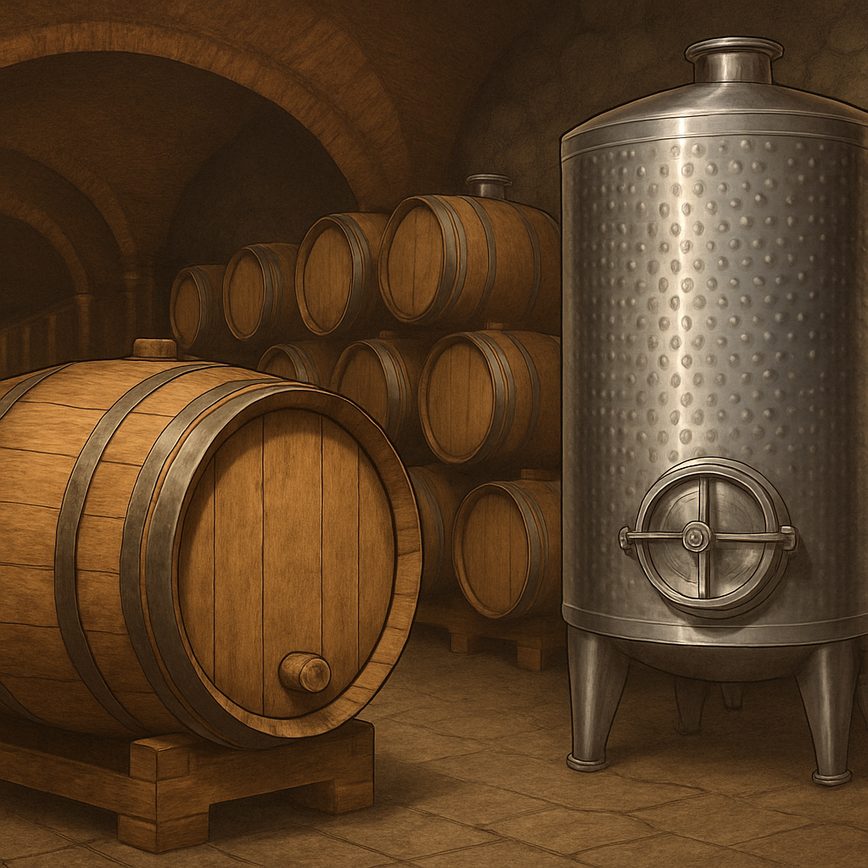
Barrel aging, traditionally done in wooden casks, is renowned for imparting unique flavors and aromas derived from the wood itself. The porous nature of barrels allows for subtle oxidation and interaction between the beverage and its environment, often resulting in richer, more complex profiles. This method can introduce notes such as vanilla, caramel, spice, or smoky undertones, depending on the type of wood and its treatment.
In contrast, stainless steel aging offers a much cleaner, more controlled environment. Stainless steel tanks do not interact with the beverage in the same way wood does, preserving the original flavors and freshness. This method is ideal when producers seek to highlight purity and emphasize the raw, unaltered characteristics without the influence of wood.
Comparing barrel aging and stainless steel aging methods is essential for producers and enthusiasts alike to understand how these techniques affect the final product. By exploring the contrasts between the two, one can gain insights into how aging shapes beverage identity, the influence on flavor development, and the decision-making process behind choosing one aging method over another. Such comparison ultimately helps in selecting the optimal approach that aligns with the desired style and quality of the beverage.
Both aging methods have their place in the industry, and understanding their nuances provides a deeper appreciation of beverage craftsmanship. Whether it’s the traditional allure of barrel aging or the precision of stainless steel aging, each method offers unique contributions that define the character of the finished product.
Advantages and Disadvantages of Barrel Aging
Barrel aging is a traditional method prized for the unique barrel aging benefits it imparts to wine, spirits, and other beverages. One of the key advantages is the wood flavor impact, which barrels naturally introduce. The porous nature of wood allows for subtle interaction between the liquid and the barrel, infusing flavors such as vanilla, caramel, spice, and toast that are difficult to replicate with other aging techniques. This interaction also allows micro-oxygenation, where small amounts of oxygen seep through the barrel staves, softening tannins and creating a more balanced, complex profile in the final product.
Another benefit of barrel aging is the aesthetic and marketing appeal. Traditional barrels are often associated with quality craftsmanship and heritage, making products aged in them attractive to consumers. Additionally, barrel aging can act as a natural filtration process, as the wood may help remove certain unwanted compounds, further enhancing the beverage’s clarity and smoothness.
However, barrel aging drawbacks are also notable. One major downside is the cost. Barrels, especially those made from high-quality oak, can be expensive to purchase and maintain. They require skilled handling to avoid contamination and spoilage, adding to labor costs. Barrels also have a limited lifespan; over time, they lose their flavor contribution ability and can become a source of off-flavors if not properly cared for.
Moreover, aging effects in barrels introduce variability. Since every barrel is unique, the interaction between wood, oxygen, and liquid can differ, making it harder to achieve consistent flavor profiles batch after batch. While oxygen interaction generally benefits the aging process, excessive exposure can lead to oxidation, spoiling the beverage by dulling its freshness and vibrancy.
In summary, the barrel aging benefits are significant in flavor enhancement and complexity, enriched by the wood flavor impact and controlled oxygen interaction. Yet, producers must weigh these advantages against the barrel aging drawbacks like high costs, maintenance demands, and variability in aging effects. This balance makes barrel aging both an art and a science, requiring careful management to produce superior aged products.
Flavor Profiles from Barrel Aging
Barrel aging imparts unique and complex flavor profiles to beverages, primarily due to the interaction between the liquid and the wood. Oak barrels, commonly used for this purpose, contribute distinct woody flavors that enrich the overall taste. The wood contains natural compounds such as lignins, tannins, and cellulose which break down over time, releasing these elements into the beverage. This process introduces nuanced flavor notes including vanilla, caramel, and spice, which are characteristic of wood-aged drinks.
Tannins from the oak also play a crucial role, adding both flavor complexity and structure. These bitter, astringent compounds help balance the sweetness and enhance the mouthfeel, giving the beverage a fuller body and a longer finish. Additionally, tannins act as natural preservatives, contributing to the aging potential and stability of the beverage.
Beyond flavors and tannins, aroma compounds from the wood are extracted during aging, significantly influencing the scent profile. Oak barrels release aromatic molecules such as vanillin and phenols, which combine with the beverage’s inherent aromas to create a rich and inviting bouquet. These aroma compounds can evoke notes of toast, smoke, and spice, further enhancing the sensory experience.
Ultimately, the interaction between the beverage and the oak barrels results in a harmonious blend of wood flavor, tannins, and aroma compounds, making barrel aging a vital process for crafting distinctive and memorable drinks.
Maintenance and Cost Challenges
Barrel maintenance is a critical factor in the overall aging cost when choosing barrels for production. Unlike stainless steel, barrels require regular upkeep to prevent contamination and ensure optimal aging conditions. This involves cleaning, monitoring moisture levels, and occasionally repairing leaks or cracks. These tasks not only demand time but also skilled labor, which adds to the aging cost. Furthermore, barrels have a limited lifespan, typically lasting between three to five years depending on usage and environmental conditions. As barrels age, their ability to impart desirable flavors diminishes, necessitating frequent replacement to maintain product quality.
The investment in barrels is substantial upfront, but ongoing expenses such as maintenance and eventual replacement can significantly affect overall production cost. In contrast, stainless steel vessels require minimal maintenance and do not have the same lifespan constraints, offering a more predictable and often lower long-term cost. Producers must carefully weigh the benefits of barrel aging against these financial and maintenance challenges to optimize their production strategy. Understanding the total cost of ownership, including barrel lifespan and upkeep, is essential for making informed investment decisions in the aging process.
Benefits and Limitations of Stainless Steel Aging
Using stainless steel tanks for aging offers several notable benefits that have made them a popular choice among winemakers and distillers looking for precision and consistency. One of the primary stainless steel benefits is its neutrality as an aging vessel. Unlike wooden barrels, stainless steel does not impart any flavors or aromas to the product, allowing the true characteristics of the base wine or spirit to shine through. This clean flavor profile is essential for producers who want to highlight the raw ingredients without additional complexity introduced by the aging container.
Another significant advantage of stainless steel aging is its superior hygienic properties. Stainless steel is non-porous and easy to sterilize, reducing risks of contamination from unwanted microbes or spoilage organisms. This cleanliness ensures a more controlled fermentation and aging process, making it easier to maintain quality and consistency across batches. For producers who prioritize hygiene and want to avoid the maintenance challenges that barrels pose, stainless steel tanks present an ideal solution.
Furthermore, stainless steel tanks offer excellent aging control, allowing precise management of temperature and oxygen exposure. Many tanks are equipped with cooling jackets and airtight seals, providing an environment where the aging conditions can be finely tuned to the desired parameters. This control not only leads to a predictable maturation process but also shortens aging times in some cases, improving efficiency without compromising quality.
However, while stainless steel aging has many advantages, it also comes with certain limitations. The very feature that makes it attractive—the neutral impact on flavor—can also be viewed as a drawback when complexity and depth derived from barrel aging are desired. Stainless steel tanks lack the ability to contribute the subtle notes of vanilla, toast, or spice that wood barrels impart, which can be a crucial element for certain styles of wine or spirits.
In addition, stainless steel aging does not allow for micro-oxygenation, the slow and controlled oxygen exposure that barrels naturally provide, which helps soften tannins and develop nuanced aromatics. Without this gradual oxygen exchange, products aged in stainless steel might require additional processing or blending to achieve similar complexity. Lastly, the initial investment cost for high-quality stainless steel equipment can be substantial, though often offset by durability and lower long-term maintenance costs.
In summary, stainless steel aging vessels offer a clean, hygienic, and highly controllable environment that suits many producers seeking to preserve natural flavors and ensure consistency. However, those looking to develop richer, more complex flavor profiles may find the aging limitations of stainless steel a factor to consider carefully when choosing their aging method.
Flavor Neutrality and Hygienic Benefits
Stainless steel tanks are highly valued in the aging process for their ability to maintain a clean aging environment. Unlike wooden barrels, stainless steel is completely neutral, meaning it does not impart any flavors to the product. This neutrality ensures that the original flavors of the wine or spirit remain pure and unaltered throughout the aging process, allowing the true characteristics of the base ingredients to shine through.
Another significant advantage of using stainless steel tanks is their superior hygienic properties. Stainless steel surfaces are non-porous, which makes them much easier to clean and sanitize compared to wood, which can absorb liquids and harbor bacteria or unwanted microorganisms. This ease of sanitation is crucial in preventing contamination and spoilage, promoting a safer and more consistent aging environment.
Sanitation practices with stainless steel tanks are straightforward; they can be thoroughly washed using standard cleaning agents and sanitized effectively without risk of damage. This contrasts with wooden barrels, which require more specialized maintenance to prevent infection while preserving their structure. As a result, stainless steel tanks provide a practical advantage for producers who prioritize neutral flavor profiles combined with stringent sanitation standards.
Limitations and Flavor Development Challenges
When opting for stainless steel aging, winemakers encounter several distinct limitations related to flavor development. Unlike barrel aging, stainless steel does not allow for any oxygen exchange, which is a critical factor in the aging process of many wines. This lack of oxygen interaction means that wines aged in stainless steel experience fewer chemical changes that typically enhance complexity and depth.
The most notable limitation is the limited flavor impact stainless steel aging imparts on the wine. Without oxygen exposure, wines retain more of their original fruit and fresh characteristics but do not gain the subtle nuances or layered aromas usually developed through barrel aging. Furthermore, stainless steel imparts no additional aromas or flavors, such as vanilla, spice, or toasted notes, which barrels naturally contribute to the aging wine.
These aging restrictions mean that while stainless steel aging is excellent for preserving crispness and purity of flavor, it limits the evolutionary complexity that can develop over time. Winemakers relying on stainless steel must accept the trade-off between freshness and the layered sophistication achievable through traditional barrel methods. As a result, stainless steel aging is often best suited for wines intended for early consumption rather than prolonged aging.

Winemaker with 12 years in the cellar. I write about fermentation, terroir, and the honest mistakes that taught me more than any textbook. I’ve ruined more barrels than most people have tasted. That’s not a disclaimer — that’s a résumé. Twelve years making wine in France, now making sense of it in words.