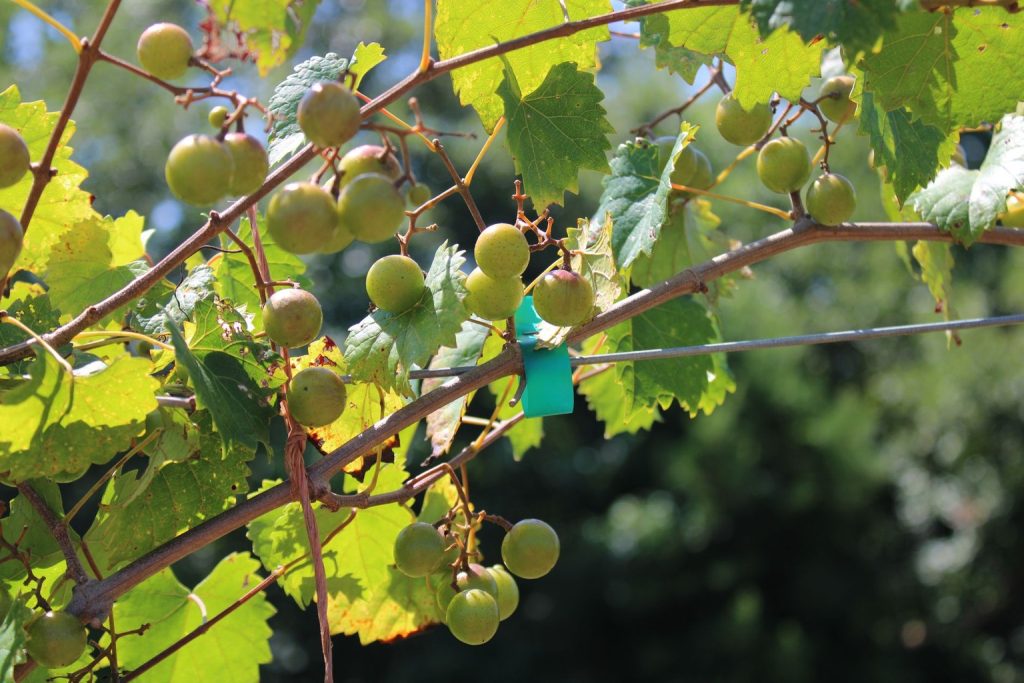
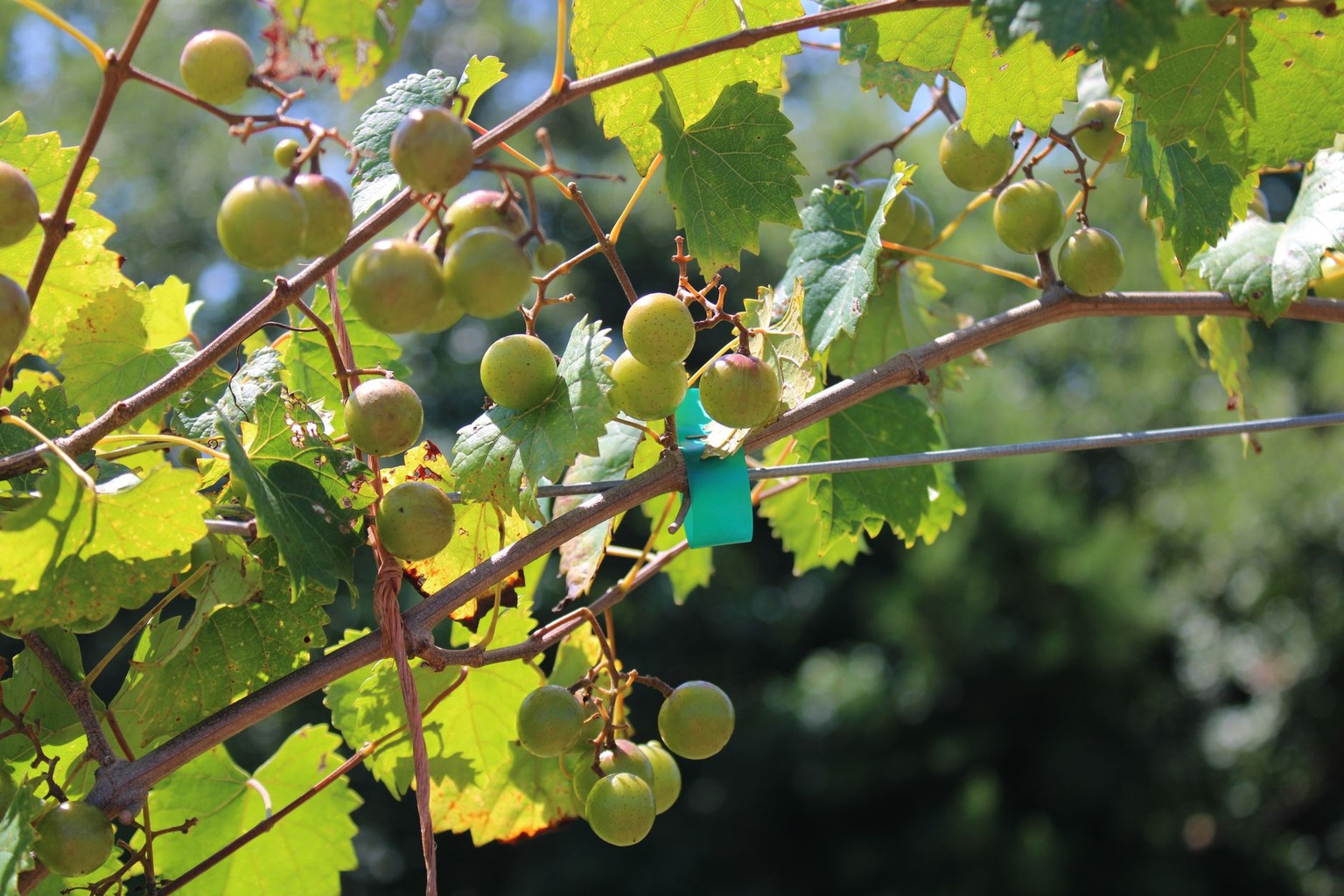
Deep in the heart of the Gulf Coast region, a botanical marvel thrives despite the intense humidity and relentless summer heat that typically destroy traditional European vines. This resilient vine produces thick-skinned berries that have sustained local families for generations, but modern viticulture has transformed these humble fruits into sophisticated, regionally expressive bottles. Winemakers across the southern United States face daunting agricultural hurdles, yet this native species shrugs off common pests and fungal diseases without requiring chemical intervention. Crafting exceptional bottles from this tough local fruit demands a complete reimagining of traditional cellar techniques, pushing regional producers to innovate constantly. Exploring this distinctive beverage reveals an agricultural revolution quietly reshaping southern vineyards and challenging preconceived notions about what American terroir can achieve.
Botanical Resilience and Unique Terroir Adaptations
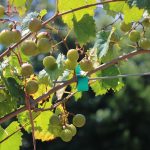
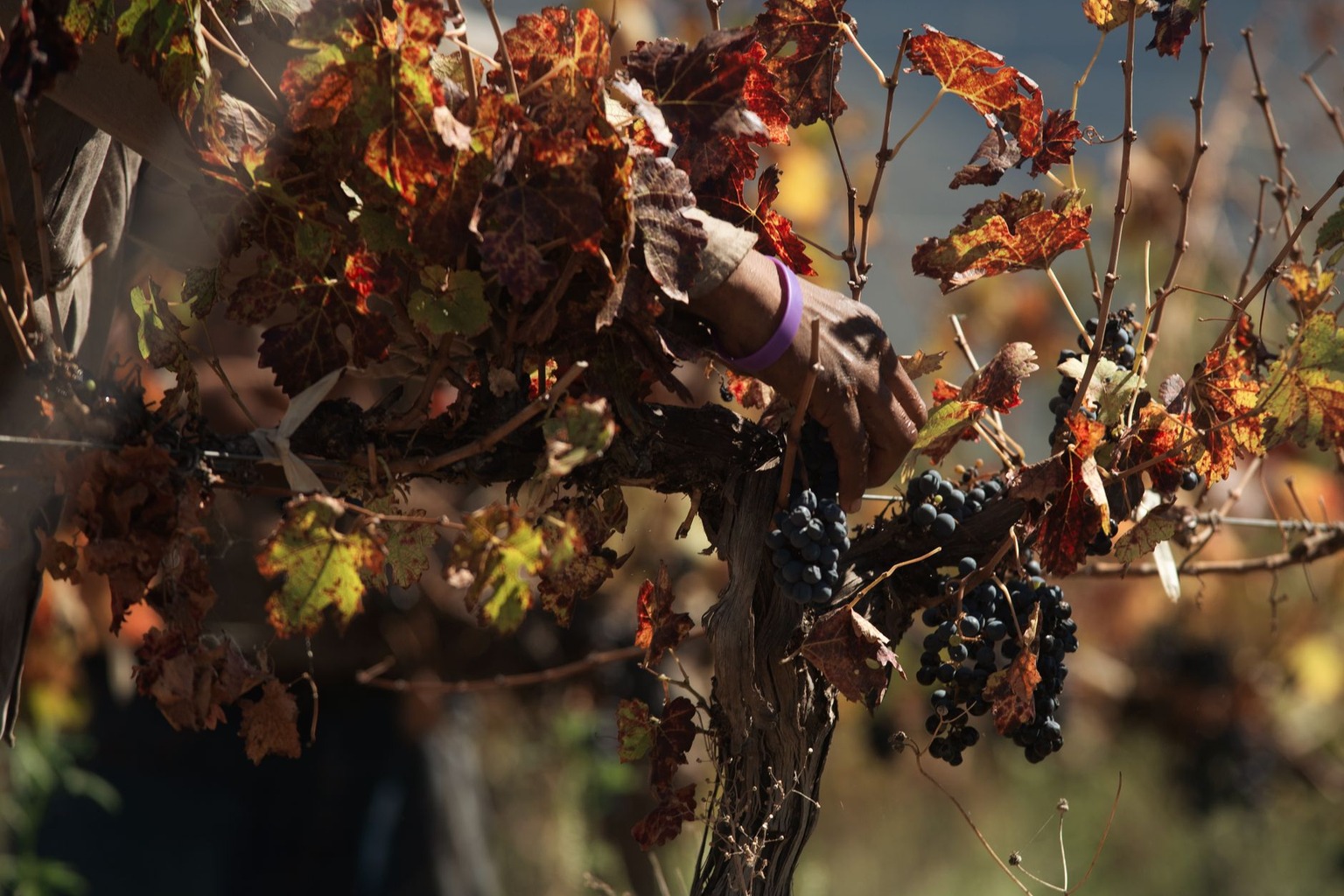
Vitis rotundifolia differs fundamentally from the classic Vitis vinifera vines found in traditional wine regions across the globe. These native plants possess twenty seeds rather than four, alongside an extraordinarily thick outer skin that naturally deters destructive insects and rot. Such natural hardiness allows local growers to cultivate vineyards sustainably without relying heavily on synthetic fungicides or harsh pesticides. The sandy loam soils of the region further influence the vine root systems, imparting subtle mineral notes that define the final character of the liquid inside the glass. Understanding this unique botany explains why traditional European grapes struggle intensely in the same southern acreage.
Cellar Innovations and Modern Vinification Methods
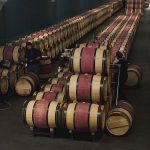
Producing fine muscadine wine Louisiana requires specialized winemaking strategies that account for high natural acidity and low malic acid levels. Cellar masters must carefully manage fermentation temperatures to preserve the delicate floral and fruity aromas that would otherwise vanish during aggressive processing. Modern stainless steel tanks and temperature-controlled fermentations allow producers to craft remarkably clean, vibrant expressions that highlight the pure essence of the harvest. Some adventurous vintners even experiment with neutral oak aging to add subtle texture and complexity, challenging the outdated stereotype that these regional bottlings are always overly sweet. This careful balance of science and tradition turns a notoriously difficult fruit into a balanced, highly enjoyable beverage.
Flavor Profiles and Sensory Characteristics
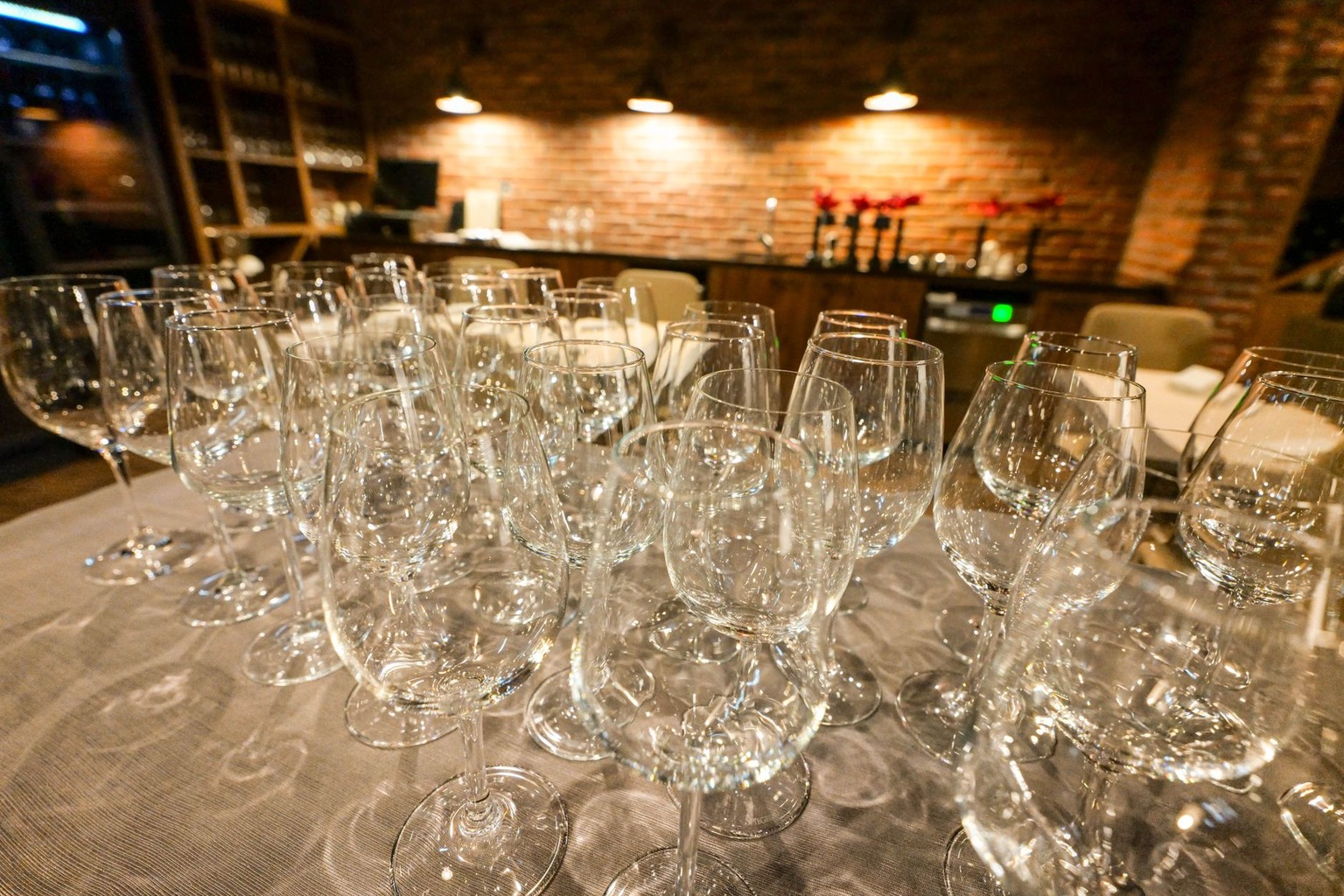
Tasting these distinct regional bottlings opens up a fascinating sensory spectrum characterized by intense aromas of fresh scuppernong, ripe pear, and subtle musky undertones. Unlike traditional European varietals, the palate often delivers a robust punch of vibrant fruit notes accompanied by a naturally aromatic finish. The unique skin contact during the pressing phase imparts a gorgeous golden hue to whites and a deep ruby intensity to reds, depending on the specific clone harvested. Pouring a glass of muscadine wine Louisiana offers wine enthusiasts a completely fresh flavor profile that bears little resemblance to standard Cabernet or Chardonnay. Experienced sommeliers appreciate this distinct divergence, using the characteristic aromatics to create surprising culinary pairings with local seafood and spicy dishes.
Culinary Pairings for Southern Regional Gastronomy
Pairing southern regional cuisine with local libations creates a harmonious dining experience that respects the rich agricultural heritage of the Gulf Coast. The bright acidity and fruit-forward nature of these distinct bottles cut effortlessly through the rich, buttery textures of traditional gumbo and crawfish etouffee. When serving spicy barbecue or blackened catfish, the natural sweetness of the beverage acts as a wonderful palate cleanser against fiery pepper spices. Local chefs frequently incorporate these specific bottlings into reductions and marinades, tying the meal and the vineyard together in a remarkable display of culinary synergy. This natural pairing capability elevates everyday regional dinners into memorable gastronomic events.
Economic Impact on Local Agriculture and Tourism
The burgeoning success of these native vineyards provides a vital economic boost to rural farming communities throughout the southern United States. Families who traditionally grew cotton or soybeans are converting acreage into thriving vineyards, finding greater profitability in the high demand for agritourism experiences. Visitors flock to tasting rooms nestled among the moss-draped oaks, eager to learn about native viticulture while purchasing bottles directly from the agricultural source. This steady stream of tourists supports local restaurants, bed and breakfasts, and artisan craft makers, fostering a vibrant regional economy centered around wine culture. The growing appreciation for muscadine wine Louisiana has turned previously overlooked farmland into a booming destination for curious travelers.
Future Horizons for Native Grape Breeding Programs
Agricultural universities and dedicated private nurseries continue to invest heavily in advanced breeding programs to enhance desirable traits in these native vines. Researchers focus on developing new cultivars with improved sugar levels, balanced acidity, and even more complex aromatic profiles to expand production potential. As changing climate patterns make traditional viticulture increasingly difficult in other parts of the country, interest in these resilient native vines is spreading nationwide. Vintners outside the traditional southern boundaries are beginning to plant experimental acreage, eager to test the adaptability of these tough vines in diverse soils. The ongoing evolution of these southern vineyards proves that American winemaking holds exciting, uncharted possibilities for generations to come.

Winemaker with 12 years in the cellar. I write about fermentation, terroir, and the honest mistakes that taught me more than any textbook. I’ve ruined more barrels than most people have tasted. That’s not a disclaimer — that’s a résumé. Twelve years making wine in France, now making sense of it in words.