Overview of Gulf Coast Weather Patterns
The Gulf Coast climate is characterized by its warm and humid conditions that dominate much of the year. This region experiences a humid subtropical climate, which means hot summers, mild winters, and significant humidity levels due to its proximity to the Gulf of Mexico. These weather patterns significantly influence the natural environment and agriculture, including viticulture in the Gulf Coast region.
Typical weather conditions in the Gulf Coast include high temperatures that often reach into the upper 80s and 90s Fahrenheit during the summer months, paired with humidity levels that can make the heat feel even more intense. This heat, combined with frequent rainfall, fosters a lush and green landscape but also presents unique challenges for growing grapes, such as the increased risk of fungal diseases and pests.
Seasonal changes in the Gulf Coast region are usually subtle but distinct. Winters are generally mild, with temperatures rarely dropping below freezing, which provides an extended growing season compared to more northern wine regions. Spring and fall bring moderate temperatures and lower humidity, which are crucial periods for vine growth and fruit development.
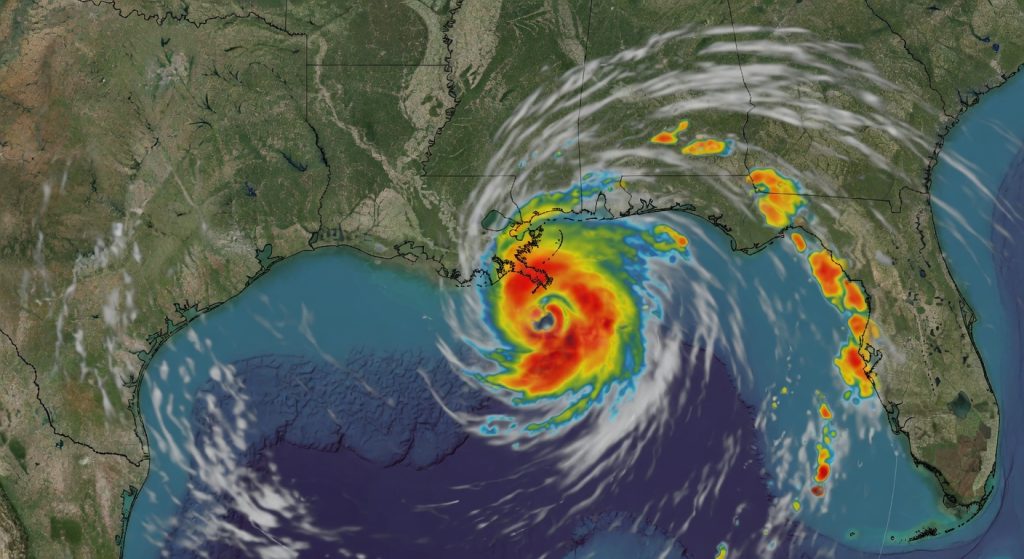
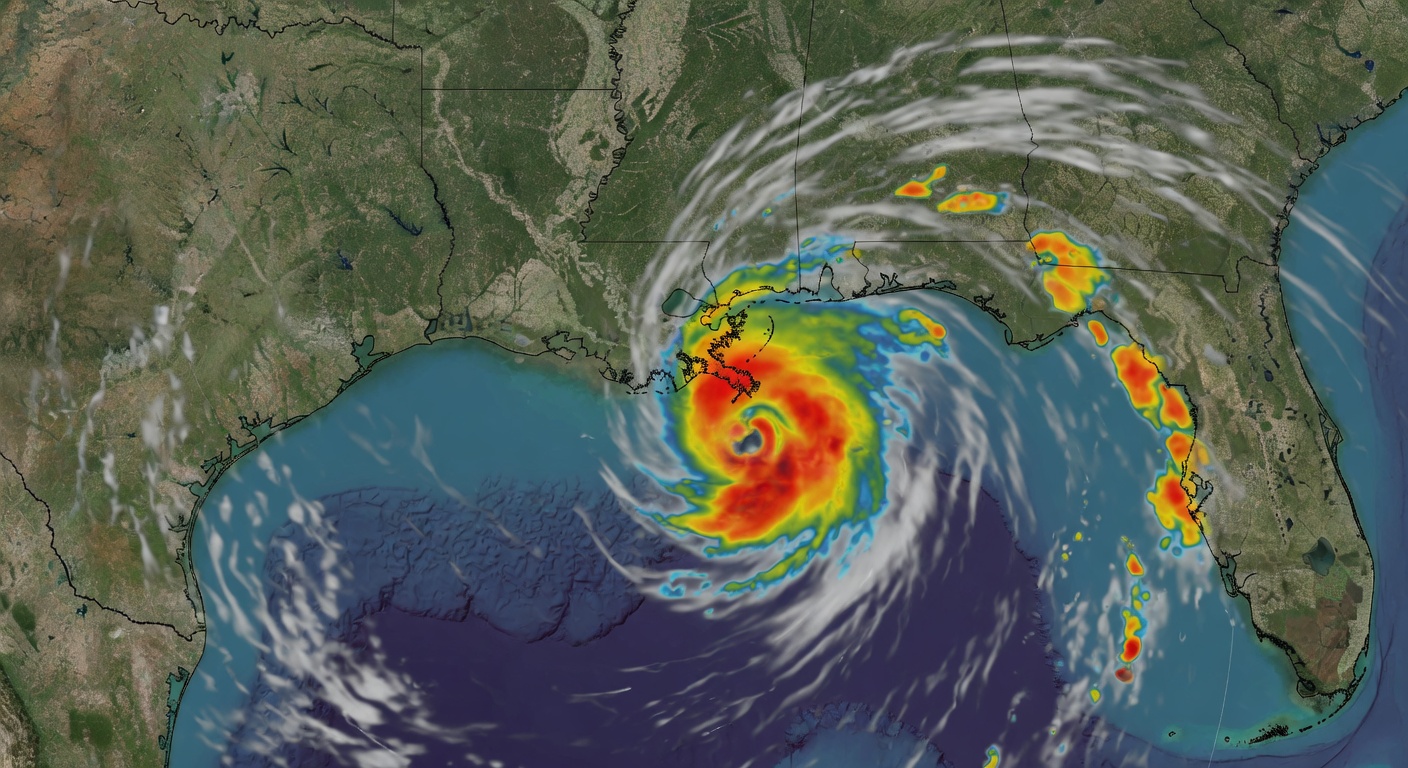
Rainfall is a significant aspect of the Gulf Coast climate and impacts the regional weather throughout the year. The area receives abundant rain, especially in the summer, due to tropical storms and hurricanes that occasionally sweep through the region. This pattern requires winegrowers to carefully manage vineyard drainage and canopy to protect the vines and maintain grape quality.
Overall, the Gulf Coast weather patterns shape a unique terroir for viticulture with warm temperatures, substantial humidity, and ample rainfall. Understanding these regional weather characteristics is essential for adapting viticultural practices to produce high-quality wines from this distinctive and dynamic climate zone.
Temperature and Humidity Characteristics
The Gulf Coast region experiences distinct temperature trends and humidity levels throughout the year, which significantly impact its outdoor environments. Average temperatures range from mild winters, typically hovering around the mid-50s to low 60s °F (12-17 °C), to hot, humid summers where temperatures often soar into the upper 80s and 90s °F (30-35 °C). This seasonal variability creates a unique climate, combining warmth with substantial moisture in the air that influences the natural surroundings and human activities.
Humidity levels on the Gulf Coast are notably high year-round, frequently exceeding 70% and reaching near 100% during peak summer months. This persistent moisture contributes to a heavy, damp atmosphere, which not only affects comfort levels but also plays a crucial role in the lifecycle of plant species, the prevalence of mold, and the behavior of insects. The climate impact of this combination of temperature and humidity results in enhanced growth conditions for lush vegetation but can also pose challenges in managing outdoor spaces and preserving structures prone to moisture damage.
Understanding these temperature and humidity characteristics helps to anticipate the effects of the Gulf Coast climate on everything from agriculture to urban planning. For example, the consistent warmth and moisture influence grape growing conditions, impacting vine health and wine quality in the region. Moreover, outdoor environments must be designed with materials and landscaping that can withstand the corrosive effects of high humidity and temperature fluctuations, ensuring longevity and resilience in this dynamic climate.
Precipitation and Storm Influence
The Gulf Coast region experiences a high frequency of rainfall and storms, which play a critical role in shaping its unique regional climate. Rainfall in this area tends to be abundant and well-distributed throughout the year, influenced by the warm, moist air from the Gulf of Mexico. This persistent moisture contributes to the lush landscapes but also creates challenges for agriculture and viticulture, requiring growers to adapt to consistently wet conditions.
Storms, particularly tropical storms and hurricanes, have a significant impact on the Gulf Coast. The hurricane season brings intense rainfall and powerful winds that can drastically alter the environment in a short period. These storms vary in frequency and intensity from year to year but often result in flooding and damage that affect soil composition and vineyard health.
Hurricane impact is not limited to immediate destruction; the aftermath influences long-term climatic trends by altering humidity levels and sometimes depositing nutrient-rich sediments. This dynamic interplay between frequent rainfall, storms, and hurricane events shapes the microclimate of the Gulf Coast, affecting everything from temperature regulation to disease pressure on plants. Understanding these factors is essential for managing vineyards and predicting future climate behaviors in this region.
Effects of Gulf Coast Weather on Wine Production
The Gulf Coast region is known for its unique climate, which poses both opportunities and challenges for wine production. The area’s weather heavily influences grape growing, vineyard management, and ultimately, the quality of wine produced. Understanding these climate effects is crucial for vintners striving to maintain successful viticulture in this demanding environment.
One of the primary impacts of Gulf Coast weather on wine production is the high humidity and warm temperatures experienced throughout much of the year. These conditions create a fertile environment for grapevines but also increase the risk of fungal diseases and pests. Growers must be vigilant in their vineyard management practices, often employing specialized treatments and canopy management techniques to mitigate these risks. Proper airflow within the vineyard is critical to help reduce moisture buildup that could harm the grape clusters.
The climate also affects the growing season length and grape ripening schedules. The long, hot summers can accelerate grape maturation, which sometimes leads to higher sugar levels but lower acidity in the fruit. This imbalance can affect the final wine’s flavor profile, making it essential for vintners to carefully time their harvest to achieve optimal balance. Additionally, unpredictable weather events such as tropical storms or heavy rainfall can cause damage to grapevines and disrupt the harvest, creating significant viticulture challenges.
Despite these challenges, the Gulf Coast’s unique climate can contribute positively to wine quality. The warm conditions allow for the cultivation of several grape varieties that thrive in heat, resulting in wines with rich, bold flavors. Moreover, the proximity to the Gulf helps moderate temperature extremes, reducing the risk of frost damage in the early spring and late fall. This temperature moderation extends the viable growing period for many grape varieties, supporting a more diverse range of wine styles.
In conclusion, the effects of Gulf Coast weather on wine production are multifaceted, impacting every stage from grape growing to the final wine product. Successfully managing viticulture challenges such as humidity, disease pressure, and storm risks requires dedicated strategies tailored to this climate. While the environment demands extra effort, it also rewards with distinctive wines that capture the essence of the Gulf Coast terroir.
Challenges for Grape Cultivation
Grape growing in the Gulf Coast region presents unique weather challenges that significantly impact vineyard management and grape quality. High humidity levels create an environment ripe for the proliferation of fungal pests and diseases, such as powdery mildew and downy mildew, which thrive under these moist conditions. Managing these threats requires vigilant monitoring and frequent application of fungicides to protect the vines and ensure a healthy crop.
In addition to humidity, extreme heat stress during the hot summer months poses a serious challenge for grapevines. Prolonged exposure to high temperatures can impair photosynthesis and disrupt the ripening process, leading to reduced grape quality and yield. Vintners must employ strategies such as canopy management and irrigation to mitigate heat stress and maintain vine health.
Moreover, the warm and humid climate fosters a diverse range of pest pressures, including insects like grape berry moths and leafhoppers, which can cause direct damage to the grapes and foliage. These pests, combined with the challenging weather conditions, create a complex environment for successful grape growing. Effective integrated pest management, alongside weather-adaptive practices, is essential for overcoming these obstacles and producing high-quality wine grapes.
Adaptation Strategies by Winemakers
Winemakers in the Gulf Coast region employ various adaptive techniques to mitigate the challenges posed by unpredictable and often harsh weather conditions. A primary method is canopy management, which involves carefully training and trimming grapevine leaves and shoots. This technique optimizes sunlight exposure and air circulation around the grape clusters, reducing the risk of fungal diseases caused by humidity and improving grape quality.
Irrigation is another critical strategy for vineyard management in this climate. With frequent periods of drought punctuated by intense rainfall, winemakers use precise irrigation systems to maintain consistent soil moisture. This ensures the vines are neither water-stressed nor oversaturated, helping to stabilize grape development and yield despite weather fluctuations.
Varietal selection also plays a vital role in building climate resilience. Producers carefully choose grape varieties and rootstocks that are naturally better suited to the Gulf Coast’s hot, humid environment. These varieties tend to have higher resistance to pests, diseases, and temperature extremes. By planting more climate-appropriate grapes, winemakers enhance the sustainability and long-term success of their vineyards.
Collectively, these adaptive techniques—canopy management, irrigation, and strategic varietal selection—form an integrated approach to vineyard management. This approach helps winemakers cope with weather-related challenges while maintaining the quality and consistency of their wines in a region known for its dynamic climate.
Future Outlook: Climate Change and Gulf Coast Wines
As climate change continues to alter weather patterns globally, the Gulf Coast region faces significant shifts that will inevitably impact its wine industry. The future weather scenarios predicted for this area indicate rising temperatures, increased humidity, and more extreme weather events, all of which pose challenges and opportunities for local vineyards and wine producers.
One major aspect of climate change affecting the Gulf Coast is the rise in average temperatures year-round. Warmer growing seasons can accelerate grape ripening, potentially altering the balance of sugars and acids in the fruit, which are critical to wine quality. Winemakers may need to adapt their harvesting schedules and viticultural practices to ensure optimal grape development amid these hotter conditions.
Increased humidity and more frequent intense rainfall events also create hurdles for disease management in vineyards. Fungal diseases such as powdery mildew and botrytis thrive in moist environments, and heightened humidity could lead to more widespread outbreaks. This may require the wine industry to invest in more robust disease prevention and canopy management techniques, or even explore disease-resistant grape varieties suitable for the changing climate.
The future weather fluctuations predicted for the Gulf Coast also include a higher incidence of hurricanes and tropical storms, which can cause vineyard damage, disrupt harvests, and affect grape yields on an unpredictable basis. The wine industry’s resilience will depend on improved infrastructure, flexible production schedules, and crop insurance to mitigate such risks.
On the positive side, climate change could expand the range of grape varieties that thrive in the Gulf Coast’s evolving climate. Varieties that prefer warmer climates might flourish, opening doors to new wine styles and market opportunities. Additionally, advances in viticulture techniques and climate-adaptive farming practices can help sustain the region’s wine production despite the challenges brought on by future weather conditions.
Overall, while climate change presents formidable challenges for the Gulf Coast wine industry, it also drives innovation and adaptation. Preparing for and responding to these environmental changes will be crucial for sustaining and enhancing wine quality and production in this distinctive region.
Projected Climate Trends in the Gulf Coast
Scientific forecasts indicate that the Gulf Coast will experience significant climate projections in the coming decades, marked by a noticeable temperature rise and increased weather variability. Models consistently predict a gradual increase in average temperatures, which will likely exacerbate heatwaves and extend the growing season but also pose challenges to agriculture and viticulture in the region.
Rainfall patterns are expected to become more erratic, with some periods of intense rainfall causing flooding, while others may see prolonged dry spells leading to drought conditions. This variability in precipitation complicates water resource management and impacts soil health, both critical for maintaining quality wine grape production. These shifts in rainfall distribution underscore the need for adaptive strategies in vineyard management.
Moreover, the Gulf Coast is projected to face an uptick in extreme weather events, such as hurricanes and tropical storms, which can cause direct damage to vineyards and disrupt the entire wine production process. Increased frequency and intensity of these events underscore the importance of climate resilience planning among wine producers.
Overall, these climate projections highlight a future where temperature rise, rainfall variability, and extreme weather will play critical roles in shaping the Gulf Coast’s environmental and economic landscape, demanding proactive measures to mitigate risks and sustain the wine industry.
Implications for Wine Quality and Production
Evolving climate conditions along the Gulf Coast have pronounced implications for wine quality and production. As temperature patterns shift and rainfall becomes more unpredictable, grape characteristics could change significantly. Warmer temperatures may accelerate grape ripening, resulting in higher sugar levels and potentially altering the balance of acidity, which is crucial for maintaining the distinct flavor profiles of regional wines. This shift can impact the complexity and overall quality that consumers expect from Gulf Coast vintages.
Production volumes are also likely to be affected by these climatic changes. Increased heat stress and the likelihood of extreme weather events such as hurricanes can reduce vine yields and compromise grape health. Vineyard management practices will need to adapt, potentially incorporating drought-resistant rootstocks or adjusting harvest times to optimize production under new conditions. These necessary changes underline the dynamic nature of wine production in response to climate impact.
Moreover, regional wine profiles might evolve as the environmental influences shift. Varietals traditionally grown may respond differently, requiring producers to explore new grape varieties better suited to warmer and more volatile conditions. This transition could lead to distinct new regional wine styles, providing both challenges and opportunities for vintners to redefine Gulf Coast wines while striving to preserve their unique identity amid the ongoing climate impact.

Winemaker with 12 years in the cellar. I write about fermentation, terroir, and the honest mistakes that taught me more than any textbook. I’ve ruined more barrels than most people have tasted. That’s not a disclaimer — that’s a résumé. Twelve years making wine in France, now making sense of it in words.