Introduction to the From Vine to Bottle Journey
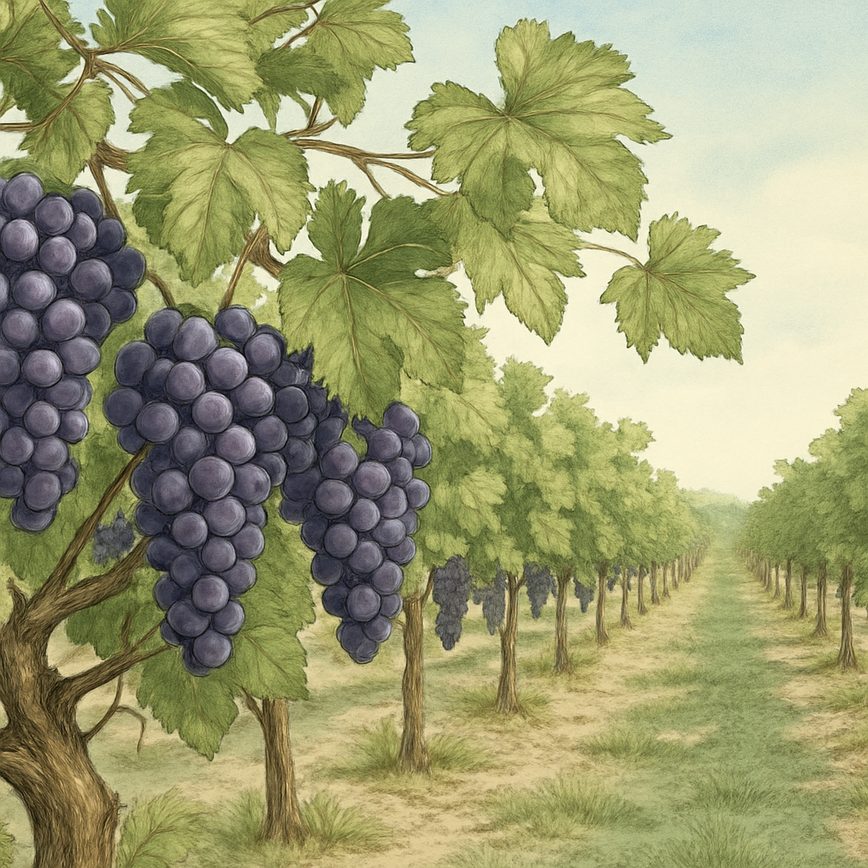
The journey from vine to bottle is a fascinating and complex wine production overview that showcases the dedication and precision involved in crafting every bottle of wine. This wine journey begins with the careful cultivation of grapevines, where the quality of the grapes is paramount. Viticulture experts tend to the vineyard with attention to soil health, climate conditions, and vine management, ensuring that the grapes develop the ideal balance of sugars, acids, and flavors that form the foundation of exceptional wine.
Once the grapes reach optimal ripeness, they are harvested, marking the transition from vineyard to winery and setting the stage for the next critical phase in the wine process. Harvesting is a crucial step, often done by hand to select only the best clusters, which maintains the integrity of the fruit and impacts the final taste and aroma of the wine. The timing of harvest is carefully monitored to capture the perfect moment of grape maturity.
Following harvest, the grapes undergo crushing and pressing to extract the juice, which is then subjected to fermentation. This stage transforms the grape juice into wine through the action of yeast, converting sugars into alcohol and carbon dioxide. The style and flavor profile of the wine are greatly influenced by fermentation techniques, temperature control, and duration. Throughout this process, winemakers carefully monitor and adjust conditions to optimize quality.
After fermentation, the wine often undergoes aging, either in stainless steel tanks, oak barrels, or bottles, depending on the intended style. Aging enriches the wine’s complexity and character, allowing it to develop nuanced flavors and aromas. Each stage of this phase requires expertise to ensure that the wine matures gracefully without losing its freshness and vibrance.
The final step in the wine journey is bottling, where the wine is filtered, stabilized, and transferred into bottles for sale and enjoyment. Bottling is more than just packaging; it is the moment where the craftsmanship of the entire wine process is sealed and preserved. Proper bottling techniques help protect the wine from spoilage and preserve its intended taste profile, allowing consumers to experience the essence of the vine to bottle journey in every glass.
Grape Cultivation and Harvesting
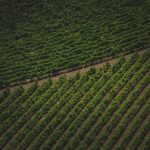
Growing grapes is both an art and a science, requiring careful vineyard selection and meticulous vineyard management to ensure a healthy crop and high-quality fruit. The first step in grape growing is choosing an appropriate vineyard location, which depends heavily on factors such as soil quality, drainage, and topography. Ideal vineyards often have well-drained soils rich in minerals, and a gentle slope that prevents water accumulation. These elements contribute to controlling vine vigor and promoting balanced grape development.
Grape varieties play a crucial role in vineyard success. Different varieties are suited to varying climates and soil types. For example, hardy varieties may thrive in cooler regions, while others require warm, sunny climates to develop full flavor profiles. Vineyard managers must carefully select grape varieties that match their terroir, ensuring the unique characteristics of each grape can be expressed fully in the final wine.
Climate considerations are paramount in grape cultivation. Grapevines require a specific range of temperatures and seasonal conditions to flourish. Adequate sunlight is necessary for photosynthesis and sugar accumulation in grapes, while temperature fluctuations can influence acidity and tannin development. Vineyard managers monitor these factors closely and may adopt techniques such as canopy management to optimize sunlight exposure and air circulation, reducing the risk of disease and enhancing grape quality.
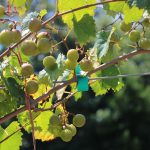
Harvesting grapes is a critical stage that demands precise timing and technique. Grapes are typically harvested when they reach optimal ripeness, measured by sugar content, acidity, and flavor complexity. The timing varies depending on grape variety and intended wine style. Harvesting can be done by hand or machine; hand-harvesting allows for more selective picking, minimizing damage to the fruit and ensuring only the best grapes are brought to the winery. Vineyard teams often work long hours during harvest season to gather grapes swiftly, preserving their freshness for the next stage in the winemaking process.
In summary, grape growing involves a detailed understanding of vineyard selection, grape varieties, climate conditions, and harvesting strategies. Skilled vineyard management ensures that each grapevine produces fruit that reflects its environment and variety, setting the foundation for exceptional wines.
Selecting the Right Vineyard Location
Choosing the ideal vineyard location is a crucial step in producing high-quality grapes, and several factors come into play. Soil quality is one of the most important considerations, as it directly impacts vine health and grape flavor. Different soil compositions, such as sandy, clay, or loamy soils, provide varying drainage and nutrient availability, influencing how vines absorb water and minerals.
Climate effects also play a significant role in vineyard success. Grapevines require a delicate balance of temperature, sunlight, and rainfall. Regions with moderate temperatures and sufficient sunlight tend to produce grapes with well-developed sugars and acids, essential for balanced wine. Frost and heavy rainfall can damage vines or dilute grape quality, so these risks must be assessed carefully when selecting a vineyard location.
Another key factor is terroir, the unique combination of soil, climate, topography, and other environmental elements that give a vineyard its distinct character. Terroir influences grape characteristics, imparting unique flavors and aromas that differentiate wines from one vineyard to another. Winemakers often choose locations that showcase a specific terroir to create wines with a distinct sense of place.
Ultimately, the selection of vineyard location involves understanding how soil quality, climate effects, and terroir interact to affect grape quality. This careful consideration ensures the production of exceptional grapes that form the foundation of outstanding wines.
Harvesting Methods and Timing
Grape harvesting is one of the most crucial steps in the winemaking process, directly impacting the quality and flavor of the wine. The timing of the harvest varies depending on the grape variety, climate, and desired wine style. Generally, grapes are harvested when they reach optimal ripeness, balancing sugar levels, acidity, and flavor compounds. Harvest timing can occur from late summer to early fall, with close monitoring to ensure grapes are picked at their peak.
There are two primary methods of grape harvesting: manual picking and machine harvesting. Manual picking involves workers selectively picking grape clusters by hand. This method allows for careful selection of the best grapes while leaving unripe or damaged clusters behind. It is often favored for premium wines as it preserves grape integrity and reduces damage. However, manual picking can be labor-intensive, time-consuming, and costly.
In contrast, machine harvesting uses specialized mechanical harvesters to shake grape clusters from the vines. This method is much faster and less expensive, allowing large vineyards to harvest quickly, especially when weather conditions are unfavorable. However, mechanical harvesting can be less selective, potentially picking unripe or damaged grapes and causing some bruising, which may affect wine quality. It is commonly used for wines where cost efficiency is prioritized.
Choosing between manual picking and machine harvesting depends on vineyard size, budget, and wine quality goals. Regardless of method, timely grape harvesting remains essential to ensure the best possible raw material for winemaking.
Winemaking and Bottling Process
Turning grapes into wine is a fascinating journey involving several meticulous steps. This process includes crushing, fermentation, aging, and finally, wine bottling. Each stage plays a crucial role in developing the flavors and quality of the final product.
- Crushing: The first step in winemaking is crushing the harvested grapes. Traditionally, grapes were crushed by foot, but modern wineries often use mechanical crushers to gently break the grape skins and release the juice, which is essential for fermentation. Crushing must be done carefully to avoid damaging the seeds and stems, which can add bitterness to the wine.
- Fermentation: After crushing, the juice, along with grape skins and seeds (in red winemaking), is transferred to fermentation vessels. Yeast is added to convert the sugars in the grape juice into alcohol and carbon dioxide. This process can take from a few days to several weeks, depending on the type of wine being produced. Temperature control during fermentation is vital as it affects the flavor and aroma of the wine.
- Aging Wine: Once fermentation is complete, the wine is separated from the solid parts and moved to aging containers such as oak barrels or stainless steel tanks. Aging allows the wine to mature, developing complex flavors and smoothing out any harsh characteristics. The duration of aging varies widely depending on the desired style; some wines age for just a few months, while others may mature for several years.
- Wine Bottling: The final step is bottling the wine. Before bottling, the wine may be filtered and stabilized to ensure clarity and prevent unwanted sediment. Bottling involves filling glass bottles with the aged wine, then sealing them with corks or screw caps to preserve freshness. Proper bottling and storage conditions are essential to maintain the wine’s quality until it reaches consumers.
By carefully managing each of these steps — from crushing to fermentation, aging, and bottling — winemakers create wines that express the unique character of the grapes and the vineyard. This detailed winemaking and bottling process is what transforms humble grapes into exceptional wines enjoyed worldwide.
From Crushing to Fermentation
The journey of winemaking begins with the crucial step of crushing grapes, where the fruit is gently pressed to release the juice without damaging the seeds. This juice extraction is vital as it lays the foundation for the flavors and aromas that will develop throughout the winemaking process. The crushed grapes, often referred to as “must,” contain skin, pulp, seeds, and juice.
Once the must is prepared, it undergoes the fermentation process, a core stage in winemaking. Fermentation is a biochemical transformation where the natural sugars in the grape juice are converted into alcohol and carbon dioxide by yeast. The yeast plays an indispensable role here, acting as the microorganism that drives this conversion.
- Crushing Grapes: Carefully crush the grapes to release the juice, ensuring the seeds remain intact to avoid bitterness.
- Juice Extraction: Collect the juice from the must, which contains the essential sugars and acids required for fermentation.
- Add Yeast: Introduce natural or cultivated yeast strains into the juice to initiate the fermentation process.
- Fermentation Process: Allow yeast to metabolize the sugars, producing alcohol and carbon dioxide, which transforms the juice into wine.
During fermentation, temperature and timing are closely monitored to control the rate of yeast activity and the development of wine characteristics. This stage not only converts juice into wine but also influences the final taste, aroma, and texture, making it a scientifically fascinating and artistically significant part of the winemaking journey.
Aging and Bottling Techniques
Wine aging plays a crucial role in developing the complex flavors and aromas that characterize high-quality wines. During the aging process, wine undergoes chemical transformations that mellow its tannins and enhance its bouquet. One of the primary methods used for aging wine involves oak barrels, which not only allow gentle oxygenation but also impart subtle flavors like vanilla, spice, and toast to the wine.
The types of aging containers vary from traditional oak barrels made of French or American oak, to stainless steel tanks and even concrete vats. Oak barrels are prized for their ability to influence the flavor profile through wood interaction, while stainless steel and concrete offer more neutral aging environments that preserve the wine’s original characteristics. Winemakers choose the container based on the desired style and profile of the final product.
Once the aging process reaches its peak, the wine is carefully transferred to the bottling stage. The bottling process is meticulous, ensuring that the wine is protected from oxidation and contamination. Bottles are filled under controlled conditions and then sealed tightly, commonly using cork or screw caps, to preserve freshness and prevent any spoilage. Proper sealing is essential to maintain the wine’s quality over time.
Overall, wine preservation during aging and bottling is essential to deliver a product with well-developed flavors and a long shelf life, making the journey from vine to bottle a delicate and artful process.

Winemaker with 12 years in the cellar. I write about fermentation, terroir, and the honest mistakes that taught me more than any textbook. I’ve ruined more barrels than most people have tasted. That’s not a disclaimer — that’s a résumé. Twelve years making wine in France, now making sense of it in words.